Buy jirinosek.eu ?
We are moving the project
jirinosek.eu .
Are you interested in purchasing the domain
jirinosek.eu ?
domain@kv-gmbh.de · 0541-91531010
Buy jirinosek.eu ?
Can one escape the cycle of samsara?
In Hinduism and Buddhism, samsara refers to the cycle of birth, death, and rebirth. Both religions believe that individuals can escape this cycle through spiritual enlightenment and liberation (moksha or nirvana). This can be achieved through following the teachings of the religion, practicing meditation, and leading a virtuous life. Ultimately, the goal is to break free from the cycle of samsara and attain a state of eternal peace and liberation. **
Why is Samsara considered something negative for Hindus?
Samsara is considered something negative for Hindus because it represents the cycle of birth, death, and rebirth that is characterized by suffering and impermanence. The continuous cycle of samsara is seen as a form of bondage that prevents individuals from achieving liberation (moksha) and ultimate spiritual freedom. Hindus believe that breaking free from the cycle of samsara is essential to attaining enlightenment and reaching a state of eternal bliss and oneness with the divine. **

Similar search terms for Samsara
Top-Angebote
Products related to Samsara:
-
Kodotan sofa "Handcrafted Wooden Decorative Flower Vase - Sustainable & Stylish Accent Piece-5.5X5.5X15.5"""Features: Eco-Friendly & Sustainable: Crafted from high-quality, natural wood for an environmentally conscious choice. Handcrafted Design: Expertly made by artisans, ensuring each vase is a unique work of art.76,49 $*Shipping: 0,00 $Secure redirect to the provider
-
TIMELESS Handmade Tablecloth by Sustainable Threads Organic Cotton Handwoven Ikat Fair TradeTIMELESS Tablecloth Add rich heritage and extraordinary craftsmanship to your table with our TIMELESS Tablecloth, meticulously handmade from organic cotton and woven on traditional manual looms.152,00 $*Shipping: 0,00 $Secure redirect to the provider
-
Sagebrook Home Earthenware Vase Portugal Handcrafted Organic Sculpted DesignEnhance your home decor with this beautifully handcrafted earthenware vase, designed to bring a touch of sophistication and timeless charm to any space. Its artisanal design adds a unique character, making it a standout decorative accent for any room.81,99 $*Shipping: 0,00 $Secure redirect to the provider
-
Kozy Kitchen Serving Tray, Breakfast Tray, Organic Bamboo, Tea Lovers Gift, Sustainable GiftA single thing can make a bad day better. Especially a perfect morning. Everyone's idea of an ideal breakfast consists of a serving tray with a delicate cup of tea or that strong coffee with freshly squeezed juice.27,29 $*Shipping: 0,00 $Secure redirect to the provider


-
What is the existence of Samsara and Karma?
Samsara is the cycle of birth, death, and rebirth in Hinduism, Buddhism, and other Indian religions. It is the belief that all living beings go through this cycle, experiencing different lives and deaths until they reach enlightenment and break free from the cycle. Karma, on the other hand, is the concept that the actions and intentions of an individual have consequences in this life and the next. It is the belief that one's actions and thoughts create a cycle of cause and effect, influencing their future experiences and lives in Samsara. Together, Samsara and Karma form the basis of the moral and spiritual framework in these religions, guiding individuals towards enlightenment and liberation from the cycle of rebirth. **
-
Why is Samsara considered something negative by Hindus?
Samsara is considered negative by Hindus because it represents the cycle of birth, death, and rebirth, which is characterized by suffering and impermanence. Hindus believe that the ultimate goal is to break free from this cycle and attain moksha, or liberation from the cycle of reincarnation. Samsara is seen as a state of bondage to worldly desires and attachments, which prevent individuals from realizing their true nature and achieving spiritual enlightenment. Therefore, Hindus strive to live a virtuous life and practice spiritual disciplines to ultimately transcend the cycle of Samsara. **
-
What is the connection between Samsara, Karma, and Moksha?
Samsara, Karma, and Moksha are interconnected concepts in Hinduism. Samsara refers to the cycle of birth, death, and rebirth that all living beings go through. Karma is the law of cause and effect, where one's actions in this life will determine their future lives in Samsara. Moksha, on the other hand, is the ultimate goal of liberation from this cycle of rebirth and achieving union with the divine. By understanding and following the principles of Karma, individuals can ultimately attain Moksha and break free from the cycle of Samsara. **
-
What is the connection between Dharma, Samsara, and Karma?
Dharma, Samsara, and Karma are interconnected concepts in Hinduism and Buddhism. Dharma refers to the moral and ethical duties and responsibilities that individuals must follow in order to live a righteous life. Samsara is the cycle of birth, death, and rebirth that individuals go through as they experience the consequences of their actions. Karma is the law of cause and effect, where one's actions in this life will determine their future experiences in Samsara. Together, these concepts emphasize the importance of living a virtuous life in order to break free from the cycle of Samsara and achieve spiritual liberation. **


Are plants also affected by karma as part of samsara?
In the concept of samsara, all living beings are subject to the cycle of birth, death, and rebirth, and are influenced by the law of karma. This includes plants, as they are also considered living beings in many spiritual traditions. According to the concept of karma, the actions and intentions of all living beings, including plants, have consequences that can affect their future experiences and existence. Therefore, plants are also believed to be affected by karma as part of samsara. **
Is organic sustainable?
Organic farming practices can be more sustainable than conventional methods in terms of reducing chemical inputs, promoting biodiversity, and improving soil health. However, there are challenges to the scalability and efficiency of organic farming, which can impact its overall sustainability. For example, organic farming typically requires more land and labor to produce the same amount of food as conventional methods, which can limit its ability to meet global food demand. Additionally, the transportation and distribution of organic products can have a higher environmental impact due to their shorter shelf life and the need for refrigeration. Overall, while organic farming has many sustainable benefits, there are also limitations to its long-term sustainability on a large scale. **
Top-Angebote
Products related to Samsara:
-
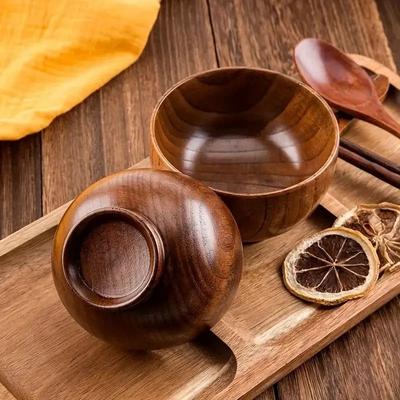
Uplift Essentials Artisan Japanese Wooden Bowl Handcrafted Natural Food Container Artisan Japanese Wooden Bowl Handcrafted Natural Food ContainerBring a touch of organic elegance to your dining table with this Artisan Japanese Wooden Bowl. Expertly carved from solid, highquality timber, this handcrafted wooden bowl reflects the timeless beauty of minimalist design while offering superior...55,97 $*Shipping: 0,00 $Secure redirect to the provider
-
"SHORELINE Napkins - Handmade Organic Cotton, Fair Trade, Eco-Dyed Artisan-Made by Sustainable Threads 20""x20"" (Set of 2)"SHORELINE Handwoven Organic Cotton Napkins Naturally elegant and thoughtfully crafted, the Shoreline napkins are woven from indigenous, drought-resistant organic cotton using traditional handspun yarns and botanical dyes.46,00 $*Shipping: 0,00 $Secure redirect to the provider
-
Kodotan sofa "Handcrafted Wooden Decorative Flower Vase - Sustainable & Stylish Accent Piece-5.5X5.5X15.5"""Features: Eco-Friendly & Sustainable: Crafted from high-quality, natural wood for an environmentally conscious choice. Handcrafted Design: Expertly made by artisans, ensuring each vase is a unique work of art.76,49 $*Shipping: 0,00 $Secure redirect to the provider
-
TIMELESS Handmade Tablecloth by Sustainable Threads Organic Cotton Handwoven Ikat Fair TradeTIMELESS Tablecloth Add rich heritage and extraordinary craftsmanship to your table with our TIMELESS Tablecloth, meticulously handmade from organic cotton and woven on traditional manual looms.152,00 $*Shipping: 0,00 $Secure redirect to the provider
-
Can one escape the cycle of samsara?
In Hinduism and Buddhism, samsara refers to the cycle of birth, death, and rebirth. Both religions believe that individuals can escape this cycle through spiritual enlightenment and liberation (moksha or nirvana). This can be achieved through following the teachings of the religion, practicing meditation, and leading a virtuous life. Ultimately, the goal is to break free from the cycle of samsara and attain a state of eternal peace and liberation. **
-
Why is Samsara considered something negative for Hindus?
Samsara is considered something negative for Hindus because it represents the cycle of birth, death, and rebirth that is characterized by suffering and impermanence. The continuous cycle of samsara is seen as a form of bondage that prevents individuals from achieving liberation (moksha) and ultimate spiritual freedom. Hindus believe that breaking free from the cycle of samsara is essential to attaining enlightenment and reaching a state of eternal bliss and oneness with the divine. **
-
What is the existence of Samsara and Karma?
Samsara is the cycle of birth, death, and rebirth in Hinduism, Buddhism, and other Indian religions. It is the belief that all living beings go through this cycle, experiencing different lives and deaths until they reach enlightenment and break free from the cycle. Karma, on the other hand, is the concept that the actions and intentions of an individual have consequences in this life and the next. It is the belief that one's actions and thoughts create a cycle of cause and effect, influencing their future experiences and lives in Samsara. Together, Samsara and Karma form the basis of the moral and spiritual framework in these religions, guiding individuals towards enlightenment and liberation from the cycle of rebirth. **
-
Why is Samsara considered something negative by Hindus?
Samsara is considered negative by Hindus because it represents the cycle of birth, death, and rebirth, which is characterized by suffering and impermanence. Hindus believe that the ultimate goal is to break free from this cycle and attain moksha, or liberation from the cycle of reincarnation. Samsara is seen as a state of bondage to worldly desires and attachments, which prevent individuals from realizing their true nature and achieving spiritual enlightenment. Therefore, Hindus strive to live a virtuous life and practice spiritual disciplines to ultimately transcend the cycle of Samsara. **
Similar search terms for Samsara
-
Sagebrook Home Earthenware Vase Portugal Handcrafted Organic Sculpted DesignEnhance your home decor with this beautifully handcrafted earthenware vase, designed to bring a touch of sophistication and timeless charm to any space. Its artisanal design adds a unique character, making it a standout decorative accent for any room.81,99 $*Shipping: 0,00 $Secure redirect to the provider
-
Kozy Kitchen Serving Tray, Breakfast Tray, Organic Bamboo, Tea Lovers Gift, Sustainable GiftA single thing can make a bad day better. Especially a perfect morning. Everyone's idea of an ideal breakfast consists of a serving tray with a delicate cup of tea or that strong coffee with freshly squeezed juice.27,29 $*Shipping: 0,00 $Secure redirect to the provider
-
TIMELESS Handmade Tablecloth by Sustainable Threads Organic Cotton Handwoven Ikat Fair TradeTIMELESS Tablecloth Add rich heritage and extraordinary craftsmanship to your table with our TIMELESS Tablecloth, meticulously handmade from organic cotton and woven on traditional manual looms.220,00 $*Shipping: 0,00 $Secure redirect to the provider
-
TIMELESS Handmade Tablecloth by Sustainable Threads Organic Cotton Handwoven Ikat Fair TradeTIMELESS Tablecloth Add rich heritage and extraordinary craftsmanship to your table with our TIMELESS Tablecloth, meticulously handmade from organic cotton and woven on traditional manual looms.220,00 $*Shipping: 0,00 $Secure redirect to the provider
-
What is the connection between Samsara, Karma, and Moksha?
Samsara, Karma, and Moksha are interconnected concepts in Hinduism. Samsara refers to the cycle of birth, death, and rebirth that all living beings go through. Karma is the law of cause and effect, where one's actions in this life will determine their future lives in Samsara. Moksha, on the other hand, is the ultimate goal of liberation from this cycle of rebirth and achieving union with the divine. By understanding and following the principles of Karma, individuals can ultimately attain Moksha and break free from the cycle of Samsara. **
-
What is the connection between Dharma, Samsara, and Karma?
Dharma, Samsara, and Karma are interconnected concepts in Hinduism and Buddhism. Dharma refers to the moral and ethical duties and responsibilities that individuals must follow in order to live a righteous life. Samsara is the cycle of birth, death, and rebirth that individuals go through as they experience the consequences of their actions. Karma is the law of cause and effect, where one's actions in this life will determine their future experiences in Samsara. Together, these concepts emphasize the importance of living a virtuous life in order to break free from the cycle of Samsara and achieve spiritual liberation. **
-
Are plants also affected by karma as part of samsara?
In the concept of samsara, all living beings are subject to the cycle of birth, death, and rebirth, and are influenced by the law of karma. This includes plants, as they are also considered living beings in many spiritual traditions. According to the concept of karma, the actions and intentions of all living beings, including plants, have consequences that can affect their future experiences and existence. Therefore, plants are also believed to be affected by karma as part of samsara. **
-
Is organic sustainable?
Organic farming practices can be more sustainable than conventional methods in terms of reducing chemical inputs, promoting biodiversity, and improving soil health. However, there are challenges to the scalability and efficiency of organic farming, which can impact its overall sustainability. For example, organic farming typically requires more land and labor to produce the same amount of food as conventional methods, which can limit its ability to meet global food demand. Additionally, the transportation and distribution of organic products can have a higher environmental impact due to their shorter shelf life and the need for refrigeration. Overall, while organic farming has many sustainable benefits, there are also limitations to its long-term sustainability on a large scale. **
* All prices are inclusive of VAT and, if applicable, plus shipping costs. The offer information is based on the details provided by the respective shop and is updated through automated processes. Real-time updates do not occur, so deviations can occur in individual cases. ** Note: Parts of this content were created by AI.