Buy jirinosek.eu ?
We are moving the project
jirinosek.eu .
Are you interested in purchasing the domain
jirinosek.eu ?
domain@kv-gmbh.de · 0541-91531010
Buy jirinosek.eu ?
What is polymorphism in Java programming?
Polymorphism in Java programming refers to the ability of a method to behave differently based on the object it is called on. This means that a single method can have different implementations depending on the type of object it is called on. This allows for more flexibility and reusability in code, as different objects can use the same method name but have different behaviors. Polymorphism is achieved through method overloading and method overriding in Java. **
How is identification done after VNTR polymorphism?
Identification after VNTR polymorphism is done by comparing the number of repeats in the variable number tandem repeats (VNTR) region of DNA between different individuals. This is typically done using a technique called polymerase chain reaction (PCR) to amplify the VNTR region, followed by gel electrophoresis to separate the DNA fragments based on size. The resulting pattern of DNA fragments, known as a DNA fingerprint, can then be compared between individuals to determine if they share a common genetic profile. This method is commonly used in forensic science and paternity testing to establish relationships between individuals based on their VNTR profiles. **

Similar search terms for Polymorphism
Top-Angebote
Products related to Polymorphism:
-
Kodotan sofa "Handcrafted Wooden Decorative Flower Vase - Sustainable & Stylish Accent Piece-5.5X5.5X15.5"""Features: Eco-Friendly & Sustainable: Crafted from high-quality, natural wood for an environmentally conscious choice. Handcrafted Design: Expertly made by artisans, ensuring each vase is a unique work of art.76,49 $*Shipping: 0,00 $Secure redirect to the provider
-
TIMELESS Handmade Tablecloth by Sustainable Threads Organic Cotton Handwoven Ikat Fair TradeTIMELESS Tablecloth Add rich heritage and extraordinary craftsmanship to your table with our TIMELESS Tablecloth, meticulously handmade from organic cotton and woven on traditional manual looms.152,00 $*Shipping: 0,00 $Secure redirect to the provider
-
Sagebrook Home Earthenware Vase Portugal Handcrafted Organic Sculpted DesignEnhance your home decor with this beautifully handcrafted earthenware vase, designed to bring a touch of sophistication and timeless charm to any space. Its artisanal design adds a unique character, making it a standout decorative accent for any room.77,99 $*Shipping: 0,00 $Secure redirect to the provider
-
Kozy Kitchen Serving Tray, Breakfast Tray, Organic Bamboo, Tea Lovers Gift, Sustainable GiftA single thing can make a bad day better. Especially a perfect morning. Everyone's idea of an ideal breakfast consists of a serving tray with a delicate cup of tea or that strong coffee with freshly squeezed juice.27,29 $*Shipping: 0,00 $Secure redirect to the provider


-
What is polymorphism in object-oriented programming?
Polymorphism in object-oriented programming refers to the ability of different objects to respond to the same message or method call in different ways. This means that objects of different classes can be treated as objects of a common superclass, allowing for more flexible and reusable code. Polymorphism allows for the implementation of methods that can work with objects of various types, making the code more adaptable and easier to maintain. This concept is a key feature of object-oriented programming and helps to promote code reusability and flexibility. **
-
What is dynamic polymorphism in object-oriented programming?
Dynamic polymorphism in object-oriented programming refers to the ability of a program to determine at runtime which method to invoke based on the actual type of object being referenced. This allows for flexibility and extensibility in the code, as different objects can exhibit different behaviors even if they belong to the same class hierarchy. Dynamic polymorphism is achieved through method overriding, where a subclass provides a specific implementation of a method defined in its superclass. This feature enables code reusability and promotes the principle of "write once, use many times" in object-oriented programming. **
-
What is the difference between polymorphism, allotropy, and pseudopolymorphism?
Polymorphism refers to the ability of a substance to exist in different crystal structures or forms. Allotropy, on the other hand, specifically refers to the existence of an element in multiple different forms, each with its own unique physical properties. Pseudopolymorphism, also known as solvomorphism, occurs when a substance appears to have different crystal forms due to the presence of solvent molecules within its crystal lattice. In summary, while polymorphism and allotropy refer to the different forms of a substance, pseudopolymorphism involves the influence of solvent molecules on the crystal structure. **
-
Is organic sustainable?
Organic farming practices can be more sustainable than conventional methods in terms of reducing chemical inputs, promoting biodiversity, and improving soil health. However, there are challenges to the scalability and efficiency of organic farming, which can impact its overall sustainability. For example, organic farming typically requires more land and labor to produce the same amount of food as conventional methods, which can limit its ability to meet global food demand. Additionally, the transportation and distribution of organic products can have a higher environmental impact due to their shorter shelf life and the need for refrigeration. Overall, while organic farming has many sustainable benefits, there are also limitations to its long-term sustainability on a large scale. **


What is the difference between inheritance and polymorphism in Java?
Inheritance in Java allows a class to inherit properties and behaviors from another class, promoting code reusability. On the other hand, polymorphism allows objects of different classes to be treated as objects of a common superclass, enabling flexibility and extensibility in the code. Inheritance establishes an "is-a" relationship between classes, while polymorphism enables an object to take on multiple forms based on its context. **
What is the difference between substitution and polymorphism in Java?
Substitution refers to the ability to use a derived class object wherever a base class object is expected. This allows for code reusability and flexibility in the use of objects. Polymorphism, on the other hand, refers to the ability of a reference variable to point to different types of objects and invoke methods specific to those objects at runtime. In Java, polymorphism is achieved through method overriding, where a subclass provides a specific implementation of a method defined in its superclass. Overall, substitution is a concept related to inheritance and the use of derived classes, while polymorphism is a broader concept related to the ability of objects to take on different forms at runtime. **
Top-Angebote
Products related to Polymorphism:
-
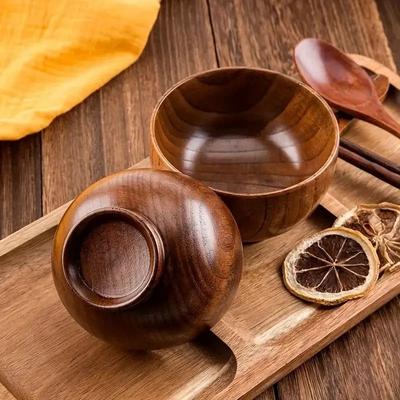
Uplift Essentials Artisan Japanese Wooden Bowl Handcrafted Natural Food Container Artisan Japanese Wooden Bowl Handcrafted Natural Food ContainerBring a touch of organic elegance to your dining table with this Artisan Japanese Wooden Bowl. Expertly carved from solid, highquality timber, this handcrafted wooden bowl reflects the timeless beauty of minimalist design while offering superior...55,97 $*Shipping: 0,00 $Secure redirect to the provider
-
"SHORELINE Napkins - Handmade Organic Cotton, Fair Trade, Eco-Dyed Artisan-Made by Sustainable Threads 20""x20"" (Set of 2)"SHORELINE Handwoven Organic Cotton Napkins Naturally elegant and thoughtfully crafted, the Shoreline napkins are woven from indigenous, drought-resistant organic cotton using traditional handspun yarns and botanical dyes.46,00 $*Shipping: 0,00 $Secure redirect to the provider
-
Kodotan sofa "Handcrafted Wooden Decorative Flower Vase - Sustainable & Stylish Accent Piece-5.5X5.5X15.5"""Features: Eco-Friendly & Sustainable: Crafted from high-quality, natural wood for an environmentally conscious choice. Handcrafted Design: Expertly made by artisans, ensuring each vase is a unique work of art.76,49 $*Shipping: 0,00 $Secure redirect to the provider
-
TIMELESS Handmade Tablecloth by Sustainable Threads Organic Cotton Handwoven Ikat Fair TradeTIMELESS Tablecloth Add rich heritage and extraordinary craftsmanship to your table with our TIMELESS Tablecloth, meticulously handmade from organic cotton and woven on traditional manual looms.152,00 $*Shipping: 0,00 $Secure redirect to the provider
-
What is polymorphism in Java programming?
Polymorphism in Java programming refers to the ability of a method to behave differently based on the object it is called on. This means that a single method can have different implementations depending on the type of object it is called on. This allows for more flexibility and reusability in code, as different objects can use the same method name but have different behaviors. Polymorphism is achieved through method overloading and method overriding in Java. **
-
How is identification done after VNTR polymorphism?
Identification after VNTR polymorphism is done by comparing the number of repeats in the variable number tandem repeats (VNTR) region of DNA between different individuals. This is typically done using a technique called polymerase chain reaction (PCR) to amplify the VNTR region, followed by gel electrophoresis to separate the DNA fragments based on size. The resulting pattern of DNA fragments, known as a DNA fingerprint, can then be compared between individuals to determine if they share a common genetic profile. This method is commonly used in forensic science and paternity testing to establish relationships between individuals based on their VNTR profiles. **
-
What is polymorphism in object-oriented programming?
Polymorphism in object-oriented programming refers to the ability of different objects to respond to the same message or method call in different ways. This means that objects of different classes can be treated as objects of a common superclass, allowing for more flexible and reusable code. Polymorphism allows for the implementation of methods that can work with objects of various types, making the code more adaptable and easier to maintain. This concept is a key feature of object-oriented programming and helps to promote code reusability and flexibility. **
-
What is dynamic polymorphism in object-oriented programming?
Dynamic polymorphism in object-oriented programming refers to the ability of a program to determine at runtime which method to invoke based on the actual type of object being referenced. This allows for flexibility and extensibility in the code, as different objects can exhibit different behaviors even if they belong to the same class hierarchy. Dynamic polymorphism is achieved through method overriding, where a subclass provides a specific implementation of a method defined in its superclass. This feature enables code reusability and promotes the principle of "write once, use many times" in object-oriented programming. **
Similar search terms for Polymorphism
-
Sagebrook Home Earthenware Vase Portugal Handcrafted Organic Sculpted DesignEnhance your home decor with this beautifully handcrafted earthenware vase, designed to bring a touch of sophistication and timeless charm to any space. Its artisanal design adds a unique character, making it a standout decorative accent for any room.77,99 $*Shipping: 0,00 $Secure redirect to the provider
-
Kozy Kitchen Serving Tray, Breakfast Tray, Organic Bamboo, Tea Lovers Gift, Sustainable GiftA single thing can make a bad day better. Especially a perfect morning. Everyone's idea of an ideal breakfast consists of a serving tray with a delicate cup of tea or that strong coffee with freshly squeezed juice.27,29 $*Shipping: 0,00 $Secure redirect to the provider
-
TIMELESS Handmade Tablecloth by Sustainable Threads Organic Cotton Handwoven Ikat Fair TradeTIMELESS Tablecloth Add rich heritage and extraordinary craftsmanship to your table with our TIMELESS Tablecloth, meticulously handmade from organic cotton and woven on traditional manual looms.220,00 $*Shipping: 0,00 $Secure redirect to the provider
-
TIMELESS Handmade Tablecloth by Sustainable Threads Organic Cotton Handwoven Ikat Fair TradeTIMELESS Tablecloth Add rich heritage and extraordinary craftsmanship to your table with our TIMELESS Tablecloth, meticulously handmade from organic cotton and woven on traditional manual looms.220,00 $*Shipping: 0,00 $Secure redirect to the provider
-
What is the difference between polymorphism, allotropy, and pseudopolymorphism?
Polymorphism refers to the ability of a substance to exist in different crystal structures or forms. Allotropy, on the other hand, specifically refers to the existence of an element in multiple different forms, each with its own unique physical properties. Pseudopolymorphism, also known as solvomorphism, occurs when a substance appears to have different crystal forms due to the presence of solvent molecules within its crystal lattice. In summary, while polymorphism and allotropy refer to the different forms of a substance, pseudopolymorphism involves the influence of solvent molecules on the crystal structure. **
-
Is organic sustainable?
Organic farming practices can be more sustainable than conventional methods in terms of reducing chemical inputs, promoting biodiversity, and improving soil health. However, there are challenges to the scalability and efficiency of organic farming, which can impact its overall sustainability. For example, organic farming typically requires more land and labor to produce the same amount of food as conventional methods, which can limit its ability to meet global food demand. Additionally, the transportation and distribution of organic products can have a higher environmental impact due to their shorter shelf life and the need for refrigeration. Overall, while organic farming has many sustainable benefits, there are also limitations to its long-term sustainability on a large scale. **
-
What is the difference between inheritance and polymorphism in Java?
Inheritance in Java allows a class to inherit properties and behaviors from another class, promoting code reusability. On the other hand, polymorphism allows objects of different classes to be treated as objects of a common superclass, enabling flexibility and extensibility in the code. Inheritance establishes an "is-a" relationship between classes, while polymorphism enables an object to take on multiple forms based on its context. **
-
What is the difference between substitution and polymorphism in Java?
Substitution refers to the ability to use a derived class object wherever a base class object is expected. This allows for code reusability and flexibility in the use of objects. Polymorphism, on the other hand, refers to the ability of a reference variable to point to different types of objects and invoke methods specific to those objects at runtime. In Java, polymorphism is achieved through method overriding, where a subclass provides a specific implementation of a method defined in its superclass. Overall, substitution is a concept related to inheritance and the use of derived classes, while polymorphism is a broader concept related to the ability of objects to take on different forms at runtime. **
* All prices are inclusive of VAT and, if applicable, plus shipping costs. The offer information is based on the details provided by the respective shop and is updated through automated processes. Real-time updates do not occur, so deviations can occur in individual cases. ** Note: Parts of this content were created by AI.