Buy jirinosek.eu ?
We are moving the project
jirinosek.eu .
Are you interested in purchasing the domain
jirinosek.eu ?
domain@kv-gmbh.de · 0541-91531010
Buy jirinosek.eu ?
How did the peasants in the Peasants' War intend to enforce their demands?
The peasants in the Peasants' War intended to enforce their demands through armed rebellion and uprisings against the ruling nobility and authorities. They organized themselves into large groups, often led by charismatic leaders, and sought to challenge the oppressive feudal system by seizing control of land and resources. The peasants also engaged in acts of sabotage and destruction to pressure the ruling class into meeting their demands for greater rights and freedoms. Ultimately, the peasants' efforts were met with violent suppression by the ruling elites, leading to the failure of the Peasants' War. **
When were the peasants freed?
The peasants were freed in 1861 when Tsar Alexander II of Russia issued the Emancipation Manifesto, which abolished serfdom in the Russian Empire. This decree granted the peasants personal freedoms and the ability to own land, marking a significant shift in the social structure of Russia. The emancipation of the peasants was a major reform that aimed to modernize the country and improve the living conditions of the rural population. **

Similar search terms for Peasants
Top-Angebote
Products related to Peasants:
-
Kodotan sofa "Handcrafted Wooden Decorative Flower Vase - Sustainable & Stylish Accent Piece-5.5X5.5X15.5"""Features: Eco-Friendly & Sustainable: Crafted from high-quality, natural wood for an environmentally conscious choice. Handcrafted Design: Expertly made by artisans, ensuring each vase is a unique work of art.76,49 $*Shipping: 0,00 $Secure redirect to the provider
-
TIMELESS Handmade Tablecloth by Sustainable Threads Organic Cotton Handwoven Ikat Fair TradeTIMELESS Tablecloth Add rich heritage and extraordinary craftsmanship to your table with our TIMELESS Tablecloth, meticulously handmade from organic cotton and woven on traditional manual looms.152,00 $*Shipping: 0,00 $Secure redirect to the provider
-
Sagebrook Home Earthenware Vase Portugal Handcrafted Organic Sculpted DesignEnhance your home decor with this beautifully handcrafted earthenware vase, designed to bring a touch of sophistication and timeless charm to any space. Its artisanal design adds a unique character, making it a standout decorative accent for any room.81,99 $*Shipping: 0,00 $Secure redirect to the provider
-
Kozy Kitchen Serving Tray, Breakfast Tray, Organic Bamboo, Tea Lovers Gift, Sustainable GiftA single thing can make a bad day better. Especially a perfect morning. Everyone's idea of an ideal breakfast consists of a serving tray with a delicate cup of tea or that strong coffee with freshly squeezed juice.27,29 $*Shipping: 0,00 $Secure redirect to the provider


-
What was the landlord of the peasants?
The landlord of the peasants was typically a wealthy landowner or noble who owned the land that the peasants lived and worked on. The peasants would pay rent or provide labor in exchange for the right to live on and cultivate the land. The landlord often held significant power and authority over the peasants, collecting taxes, settling disputes, and enforcing laws on the land. This system of landlordship was common in feudal societies where land ownership was concentrated in the hands of a few powerful individuals. **
-
Did the king receive the natural tributes from the peasants or from the vassals?
The king received natural tributes from both the peasants and the vassals. Peasants were required to provide a portion of their agricultural produce or other natural resources to the king as a form of tribute. Vassals, on the other hand, were obligated to provide military service, as well as other forms of support, to the king in exchange for land and protection. Both groups contributed to the king's wealth and power through their tributes and services. **
-
What are the causes of the Peasants' War?
The Peasants' War was primarily caused by the oppressive social and economic conditions faced by the peasants in 16th-century Germany. The peasants were burdened by heavy taxes, feudal obligations, and exploitation by the nobility and clergy. Additionally, the spread of Protestant ideas, particularly those advocating for social equality and justice, fueled the peasants' desire for change and inspired them to revolt against their rulers. The lack of political representation and the desire for greater autonomy also played a significant role in sparking the Peasants' War. **
-
How do you say "you peasants" in German?
In German, "you peasants" can be translated as "ihr Bauern." **
What are the consequences of the Peasants' War?
The consequences of the Peasants' War were significant. The revolt was brutally suppressed, resulting in the deaths of tens of thousands of peasants and the execution of many of their leaders. The power of the ruling nobility and the Catholic Church was reinforced, and the social and economic conditions of the peasants did not significantly improve. The war also led to increased religious and social tensions in Germany, contributing to the outbreak of the Thirty Years' War in 1618. Overall, the Peasants' War had a lasting impact on the social, political, and religious landscape of Germany. **
Is organic sustainable?
Organic farming practices can be more sustainable than conventional methods in terms of reducing chemical inputs, promoting biodiversity, and improving soil health. However, there are challenges to the scalability and efficiency of organic farming, which can impact its overall sustainability. For example, organic farming typically requires more land and labor to produce the same amount of food as conventional methods, which can limit its ability to meet global food demand. Additionally, the transportation and distribution of organic products can have a higher environmental impact due to their shorter shelf life and the need for refrigeration. Overall, while organic farming has many sustainable benefits, there are also limitations to its long-term sustainability on a large scale. **
Top-Angebote
Products related to Peasants:
-
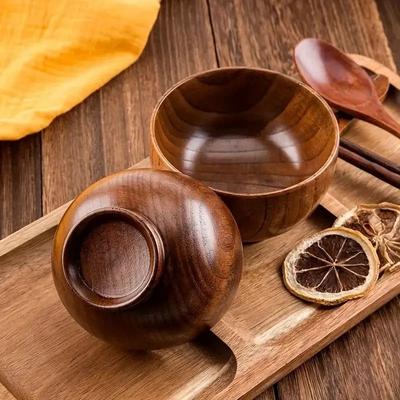
Uplift Essentials Artisan Japanese Wooden Bowl Handcrafted Natural Food Container Artisan Japanese Wooden Bowl Handcrafted Natural Food ContainerBring a touch of organic elegance to your dining table with this Artisan Japanese Wooden Bowl. Expertly carved from solid, highquality timber, this handcrafted wooden bowl reflects the timeless beauty of minimalist design while offering superior...55,97 $*Shipping: 0,00 $Secure redirect to the provider
-
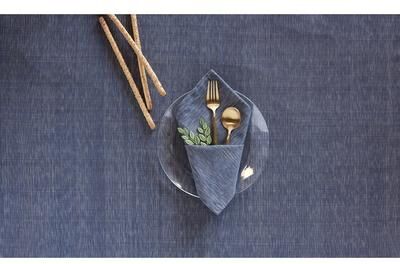
"SHORELINE Napkins - Handmade Organic Cotton, Fair Trade, Eco-Dyed Artisan-Made by Sustainable Threads 20""x20"" (Set of 2)"SHORELINE Handwoven Organic Cotton Napkins Naturally elegant and thoughtfully crafted, the Shoreline napkins are woven from indigenous, drought-resistant organic cotton using traditional handspun yarns and botanical dyes.46,00 $*Shipping: 0,00 $Secure redirect to the provider
-
Kodotan sofa "Handcrafted Wooden Decorative Flower Vase - Sustainable & Stylish Accent Piece-5.5X5.5X15.5"""Features: Eco-Friendly & Sustainable: Crafted from high-quality, natural wood for an environmentally conscious choice. Handcrafted Design: Expertly made by artisans, ensuring each vase is a unique work of art.76,49 $*Shipping: 0,00 $Secure redirect to the provider
-
TIMELESS Handmade Tablecloth by Sustainable Threads Organic Cotton Handwoven Ikat Fair TradeTIMELESS Tablecloth Add rich heritage and extraordinary craftsmanship to your table with our TIMELESS Tablecloth, meticulously handmade from organic cotton and woven on traditional manual looms.152,00 $*Shipping: 0,00 $Secure redirect to the provider
-
How did the peasants in the Peasants' War intend to enforce their demands?
The peasants in the Peasants' War intended to enforce their demands through armed rebellion and uprisings against the ruling nobility and authorities. They organized themselves into large groups, often led by charismatic leaders, and sought to challenge the oppressive feudal system by seizing control of land and resources. The peasants also engaged in acts of sabotage and destruction to pressure the ruling class into meeting their demands for greater rights and freedoms. Ultimately, the peasants' efforts were met with violent suppression by the ruling elites, leading to the failure of the Peasants' War. **
-
When were the peasants freed?
The peasants were freed in 1861 when Tsar Alexander II of Russia issued the Emancipation Manifesto, which abolished serfdom in the Russian Empire. This decree granted the peasants personal freedoms and the ability to own land, marking a significant shift in the social structure of Russia. The emancipation of the peasants was a major reform that aimed to modernize the country and improve the living conditions of the rural population. **
-
What was the landlord of the peasants?
The landlord of the peasants was typically a wealthy landowner or noble who owned the land that the peasants lived and worked on. The peasants would pay rent or provide labor in exchange for the right to live on and cultivate the land. The landlord often held significant power and authority over the peasants, collecting taxes, settling disputes, and enforcing laws on the land. This system of landlordship was common in feudal societies where land ownership was concentrated in the hands of a few powerful individuals. **
-
Did the king receive the natural tributes from the peasants or from the vassals?
The king received natural tributes from both the peasants and the vassals. Peasants were required to provide a portion of their agricultural produce or other natural resources to the king as a form of tribute. Vassals, on the other hand, were obligated to provide military service, as well as other forms of support, to the king in exchange for land and protection. Both groups contributed to the king's wealth and power through their tributes and services. **
Similar search terms for Peasants
-
Sagebrook Home Earthenware Vase Portugal Handcrafted Organic Sculpted DesignEnhance your home decor with this beautifully handcrafted earthenware vase, designed to bring a touch of sophistication and timeless charm to any space. Its artisanal design adds a unique character, making it a standout decorative accent for any room.81,99 $*Shipping: 0,00 $Secure redirect to the provider
-
Kozy Kitchen Serving Tray, Breakfast Tray, Organic Bamboo, Tea Lovers Gift, Sustainable GiftA single thing can make a bad day better. Especially a perfect morning. Everyone's idea of an ideal breakfast consists of a serving tray with a delicate cup of tea or that strong coffee with freshly squeezed juice.27,29 $*Shipping: 0,00 $Secure redirect to the provider
-
TIMELESS Handmade Tablecloth by Sustainable Threads Organic Cotton Handwoven Ikat Fair TradeTIMELESS Tablecloth Add rich heritage and extraordinary craftsmanship to your table with our TIMELESS Tablecloth, meticulously handmade from organic cotton and woven on traditional manual looms.220,00 $*Shipping: 0,00 $Secure redirect to the provider
-
TIMELESS Handmade Tablecloth by Sustainable Threads Organic Cotton Handwoven Ikat Fair TradeTIMELESS Tablecloth Add rich heritage and extraordinary craftsmanship to your table with our TIMELESS Tablecloth, meticulously handmade from organic cotton and woven on traditional manual looms.220,00 $*Shipping: 0,00 $Secure redirect to the provider
-
What are the causes of the Peasants' War?
The Peasants' War was primarily caused by the oppressive social and economic conditions faced by the peasants in 16th-century Germany. The peasants were burdened by heavy taxes, feudal obligations, and exploitation by the nobility and clergy. Additionally, the spread of Protestant ideas, particularly those advocating for social equality and justice, fueled the peasants' desire for change and inspired them to revolt against their rulers. The lack of political representation and the desire for greater autonomy also played a significant role in sparking the Peasants' War. **
-
How do you say "you peasants" in German?
In German, "you peasants" can be translated as "ihr Bauern." **
-
What are the consequences of the Peasants' War?
The consequences of the Peasants' War were significant. The revolt was brutally suppressed, resulting in the deaths of tens of thousands of peasants and the execution of many of their leaders. The power of the ruling nobility and the Catholic Church was reinforced, and the social and economic conditions of the peasants did not significantly improve. The war also led to increased religious and social tensions in Germany, contributing to the outbreak of the Thirty Years' War in 1618. Overall, the Peasants' War had a lasting impact on the social, political, and religious landscape of Germany. **
-
Is organic sustainable?
Organic farming practices can be more sustainable than conventional methods in terms of reducing chemical inputs, promoting biodiversity, and improving soil health. However, there are challenges to the scalability and efficiency of organic farming, which can impact its overall sustainability. For example, organic farming typically requires more land and labor to produce the same amount of food as conventional methods, which can limit its ability to meet global food demand. Additionally, the transportation and distribution of organic products can have a higher environmental impact due to their shorter shelf life and the need for refrigeration. Overall, while organic farming has many sustainable benefits, there are also limitations to its long-term sustainability on a large scale. **
* All prices are inclusive of VAT and, if applicable, plus shipping costs. The offer information is based on the details provided by the respective shop and is updated through automated processes. Real-time updates do not occur, so deviations can occur in individual cases. ** Note: Parts of this content were created by AI.