Buy jirinosek.eu ?
We are moving the project
jirinosek.eu .
Are you interested in purchasing the domain
jirinosek.eu ?
domain@kv-gmbh.de · 0541-91531010
Buy jirinosek.eu ?
Is a natural sponge a living organism?
No, a natural sponge is not a living organism. Sponges are multicellular organisms that belong to the animal kingdom, but they lack complex organs and tissues. They are classified as simple animals and are considered sessile filter feeders, meaning they filter food particles from the water that flows through their porous bodies. Once harvested from the ocean, natural sponges are no longer alive and are typically used for bathing or cleaning purposes. **
How does a single-celled organism become a multicellular organism?
A single-celled organism can become a multicellular organism through a process called cell division and specialization. Initially, the single cell undergoes multiple rounds of cell division, resulting in a cluster of cells. These cells then start to differentiate and specialize in their functions, forming different types of tissues and organs. Through further cell division, specialization, and coordination, these cells organize themselves into a complex multicellular organism with various cell types working together to perform specific functions. This process is known as cellular differentiation and is essential for the development of multicellular organisms. **

Similar search terms for Organism
Top-Angebote
Products related to Organism:
-
Kodotan sofa "Handcrafted Wooden Decorative Flower Vase - Sustainable & Stylish Accent Piece-5.5X5.5X15.5"""Features: Eco-Friendly & Sustainable: Crafted from high-quality, natural wood for an environmentally conscious choice. Handcrafted Design: Expertly made by artisans, ensuring each vase is a unique work of art.76,49 $*Shipping: 0,00 $Secure redirect to the provider
-
TIMELESS Handmade Tablecloth by Sustainable Threads Organic Cotton Handwoven Ikat Fair TradeTIMELESS Tablecloth Add rich heritage and extraordinary craftsmanship to your table with our TIMELESS Tablecloth, meticulously handmade from organic cotton and woven on traditional manual looms.152,00 $*Shipping: 0,00 $Secure redirect to the provider
-
Sagebrook Home Earthenware Vase Portugal Handcrafted Organic Sculpted DesignEnhance your home decor with this beautifully handcrafted earthenware vase, designed to bring a touch of sophistication and timeless charm to any space. Its artisanal design adds a unique character, making it a standout decorative accent for any room.77,99 $*Shipping: 0,00 $Secure redirect to the provider
-
Kozy Kitchen Serving Tray, Breakfast Tray, Organic Bamboo, Tea Lovers Gift, Sustainable GiftA single thing can make a bad day better. Especially a perfect morning. Everyone's idea of an ideal breakfast consists of a serving tray with a delicate cup of tea or that strong coffee with freshly squeezed juice.27,29 $*Shipping: 0,00 $Secure redirect to the provider


-
How did the unicellular organism evolve into a multicellular organism?
The evolution of unicellular organisms into multicellular organisms is believed to have occurred through a process called coloniality. Initially, unicellular organisms formed colonies where individual cells worked together for survival. Over time, some cells within these colonies specialized in specific functions, leading to the development of multicellular organisms with different cell types. This specialization allowed for more complex structures and functions, ultimately leading to the evolution of multicellular organisms. **
-
How can a single-celled organism become a multicellular organism?
A single-celled organism can become a multicellular organism through a process called cell aggregation. This occurs when individual cells come together and adhere to each other, forming a multicellular structure. Over time, these cells differentiate and specialize to perform specific functions within the organism, leading to the development of tissues and organs. This process allows the single-celled organism to evolve into a complex, multicellular organism with a higher level of organization and specialization. **
-
How did the single-celled organism develop into a multicellular organism?
The transition from single-celled to multicellular organisms is thought to have occurred through a process called coloniality, where individual cells began to work together and specialize in different functions. This allowed for more efficient resource utilization and increased the organism's ability to adapt to different environments. Over time, these specialized cells became more integrated and developed into the complex multicellular organisms we see today. This transition likely occurred independently in different lineages of organisms, leading to the diverse array of multicellular life forms we see today. **
-
Can viruses transform an entire organism into another similar and permanently viable organism?
No, viruses cannot transform an entire organism into another similar and permanently viable organism. Viruses are not capable of causing such a drastic and complex transformation in an organism. While viruses can cause changes in the host organism's cells and genetic material, they do not have the ability to completely transform one organism into another. The concept of a virus causing such a transformation is more characteristic of science fiction rather than actual scientific understanding of virology. **
Is the blastocyst an organism?
Yes, the blastocyst is considered an organism. It is the stage of development of a fertilized egg before it implants into the uterus. At this stage, the blastocyst is a multicellular structure with specialized cells that will eventually develop into the fetus and placenta. Therefore, the blastocyst can be considered an early stage of an organism's development. **
Is yeast a living organism?
Yes, yeast is a living organism. It is a type of fungus that belongs to the kingdom Fungi. Yeast cells are single-celled organisms that can reproduce asexually through budding. They are capable of metabolizing sugars and producing carbon dioxide and alcohol through the process of fermentation. Yeast is commonly used in baking and brewing due to its ability to ferment sugars and produce carbon dioxide, which causes dough to rise and gives beer and wine their alcoholic content. **
Top-Angebote
Products related to Organism:
-
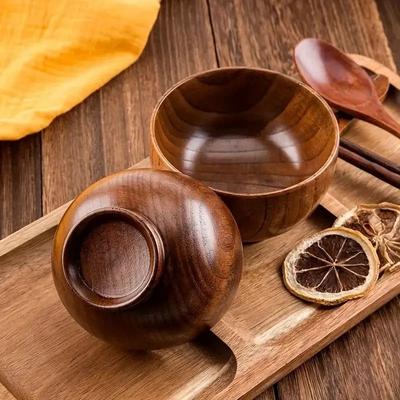
Uplift Essentials Artisan Japanese Wooden Bowl Handcrafted Natural Food Container Artisan Japanese Wooden Bowl Handcrafted Natural Food ContainerBring a touch of organic elegance to your dining table with this Artisan Japanese Wooden Bowl. Expertly carved from solid, highquality timber, this handcrafted wooden bowl reflects the timeless beauty of minimalist design while offering superior...55,97 $*Shipping: 0,00 $Secure redirect to the provider
-
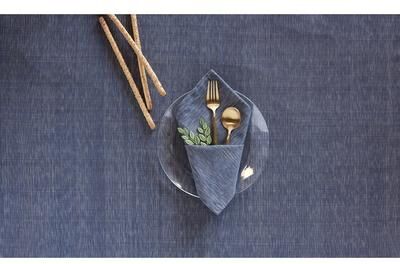
"SHORELINE Napkins - Handmade Organic Cotton, Fair Trade, Eco-Dyed Artisan-Made by Sustainable Threads 20""x20"" (Set of 2)"SHORELINE Handwoven Organic Cotton Napkins Naturally elegant and thoughtfully crafted, the Shoreline napkins are woven from indigenous, drought-resistant organic cotton using traditional handspun yarns and botanical dyes.46,00 $*Shipping: 0,00 $Secure redirect to the provider
-
Kodotan sofa "Handcrafted Wooden Decorative Flower Vase - Sustainable & Stylish Accent Piece-5.5X5.5X15.5"""Features: Eco-Friendly & Sustainable: Crafted from high-quality, natural wood for an environmentally conscious choice. Handcrafted Design: Expertly made by artisans, ensuring each vase is a unique work of art.76,49 $*Shipping: 0,00 $Secure redirect to the provider
-
TIMELESS Handmade Tablecloth by Sustainable Threads Organic Cotton Handwoven Ikat Fair TradeTIMELESS Tablecloth Add rich heritage and extraordinary craftsmanship to your table with our TIMELESS Tablecloth, meticulously handmade from organic cotton and woven on traditional manual looms.152,00 $*Shipping: 0,00 $Secure redirect to the provider
-
Is a natural sponge a living organism?
No, a natural sponge is not a living organism. Sponges are multicellular organisms that belong to the animal kingdom, but they lack complex organs and tissues. They are classified as simple animals and are considered sessile filter feeders, meaning they filter food particles from the water that flows through their porous bodies. Once harvested from the ocean, natural sponges are no longer alive and are typically used for bathing or cleaning purposes. **
-
How does a single-celled organism become a multicellular organism?
A single-celled organism can become a multicellular organism through a process called cell division and specialization. Initially, the single cell undergoes multiple rounds of cell division, resulting in a cluster of cells. These cells then start to differentiate and specialize in their functions, forming different types of tissues and organs. Through further cell division, specialization, and coordination, these cells organize themselves into a complex multicellular organism with various cell types working together to perform specific functions. This process is known as cellular differentiation and is essential for the development of multicellular organisms. **
-
How did the unicellular organism evolve into a multicellular organism?
The evolution of unicellular organisms into multicellular organisms is believed to have occurred through a process called coloniality. Initially, unicellular organisms formed colonies where individual cells worked together for survival. Over time, some cells within these colonies specialized in specific functions, leading to the development of multicellular organisms with different cell types. This specialization allowed for more complex structures and functions, ultimately leading to the evolution of multicellular organisms. **
-
How can a single-celled organism become a multicellular organism?
A single-celled organism can become a multicellular organism through a process called cell aggregation. This occurs when individual cells come together and adhere to each other, forming a multicellular structure. Over time, these cells differentiate and specialize to perform specific functions within the organism, leading to the development of tissues and organs. This process allows the single-celled organism to evolve into a complex, multicellular organism with a higher level of organization and specialization. **
Similar search terms for Organism
-
Sagebrook Home Earthenware Vase Portugal Handcrafted Organic Sculpted DesignEnhance your home decor with this beautifully handcrafted earthenware vase, designed to bring a touch of sophistication and timeless charm to any space. Its artisanal design adds a unique character, making it a standout decorative accent for any room.77,99 $*Shipping: 0,00 $Secure redirect to the provider
-
Kozy Kitchen Serving Tray, Breakfast Tray, Organic Bamboo, Tea Lovers Gift, Sustainable GiftA single thing can make a bad day better. Especially a perfect morning. Everyone's idea of an ideal breakfast consists of a serving tray with a delicate cup of tea or that strong coffee with freshly squeezed juice.27,29 $*Shipping: 0,00 $Secure redirect to the provider
-
TIMELESS Handmade Tablecloth by Sustainable Threads Organic Cotton Handwoven Ikat Fair TradeTIMELESS Tablecloth Add rich heritage and extraordinary craftsmanship to your table with our TIMELESS Tablecloth, meticulously handmade from organic cotton and woven on traditional manual looms.220,00 $*Shipping: 0,00 $Secure redirect to the provider
-
TIMELESS Handmade Tablecloth by Sustainable Threads Organic Cotton Handwoven Ikat Fair TradeTIMELESS Tablecloth Add rich heritage and extraordinary craftsmanship to your table with our TIMELESS Tablecloth, meticulously handmade from organic cotton and woven on traditional manual looms.220,00 $*Shipping: 0,00 $Secure redirect to the provider
-
How did the single-celled organism develop into a multicellular organism?
The transition from single-celled to multicellular organisms is thought to have occurred through a process called coloniality, where individual cells began to work together and specialize in different functions. This allowed for more efficient resource utilization and increased the organism's ability to adapt to different environments. Over time, these specialized cells became more integrated and developed into the complex multicellular organisms we see today. This transition likely occurred independently in different lineages of organisms, leading to the diverse array of multicellular life forms we see today. **
-
Can viruses transform an entire organism into another similar and permanently viable organism?
No, viruses cannot transform an entire organism into another similar and permanently viable organism. Viruses are not capable of causing such a drastic and complex transformation in an organism. While viruses can cause changes in the host organism's cells and genetic material, they do not have the ability to completely transform one organism into another. The concept of a virus causing such a transformation is more characteristic of science fiction rather than actual scientific understanding of virology. **
-
Is the blastocyst an organism?
Yes, the blastocyst is considered an organism. It is the stage of development of a fertilized egg before it implants into the uterus. At this stage, the blastocyst is a multicellular structure with specialized cells that will eventually develop into the fetus and placenta. Therefore, the blastocyst can be considered an early stage of an organism's development. **
-
Is yeast a living organism?
Yes, yeast is a living organism. It is a type of fungus that belongs to the kingdom Fungi. Yeast cells are single-celled organisms that can reproduce asexually through budding. They are capable of metabolizing sugars and producing carbon dioxide and alcohol through the process of fermentation. Yeast is commonly used in baking and brewing due to its ability to ferment sugars and produce carbon dioxide, which causes dough to rise and gives beer and wine their alcoholic content. **
* All prices are inclusive of VAT and, if applicable, plus shipping costs. The offer information is based on the details provided by the respective shop and is updated through automated processes. Real-time updates do not occur, so deviations can occur in individual cases. ** Note: Parts of this content were created by AI.