Buy jirinosek.eu ?
We are moving the project
jirinosek.eu .
Are you interested in purchasing the domain
jirinosek.eu ?
domain@kv-gmbh.de · 0541-91531010
Buy jirinosek.eu ?
What is the Kaaba?
The Kaaba is a cube-shaped building located in the center of the Great Mosque in Mecca, Saudi Arabia. It is considered the most sacred site in Islam and is the focal point of the Hajj pilgrimage. Muslims around the world face the Kaaba during their daily prayers. According to Islamic tradition, the Kaaba was built by the Prophet Ibrahim and his son Isma'il as a place of worship for the one true God. **
Who built the Kaaba?
The Kaaba was originally built by the Prophet Ibrahim (Abraham) and his son Isma'il (Ishmael) according to Islamic tradition. It is believed that they were instructed by God to construct the Kaaba as a place of worship. Over the centuries, the Kaaba has been rebuilt and renovated several times, with the most recent major reconstruction taking place in the 1990s. Today, the Kaaba is considered the holiest site in Islam and is the focal point of the annual Hajj pilgrimage. **

Similar search terms for Kaaba
Top-Angebote
Products related to Kaaba:
-
Kodotan sofa "Handcrafted Wooden Decorative Flower Vase - Sustainable & Stylish Accent Piece-5.5X5.5X15.5"""Features: Eco-Friendly & Sustainable: Crafted from high-quality, natural wood for an environmentally conscious choice. Handcrafted Design: Expertly made by artisans, ensuring each vase is a unique work of art.76,49 $*Shipping: 0,00 $Secure redirect to the provider
-
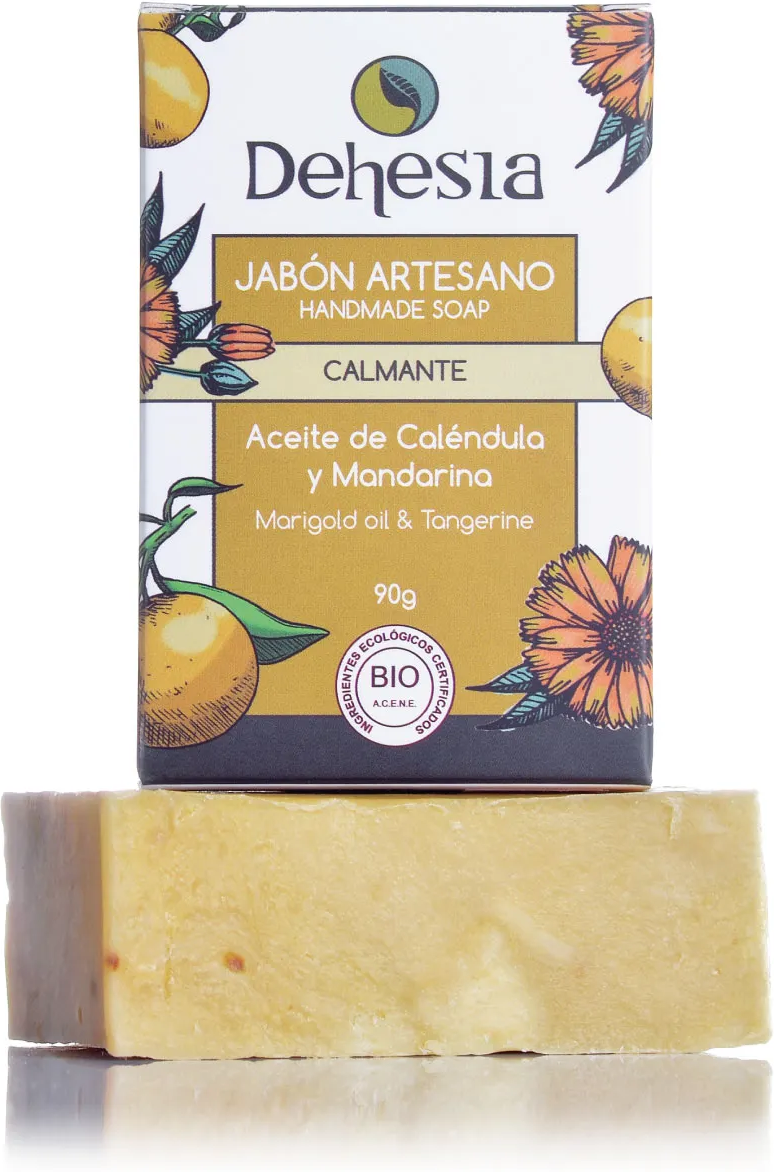
Dehesia Organic Soothing Artisan Soap 100 grHealth and Beauty Corporal hygiene Dehesia Organic Soothing Artisan Soap 100 gr What is Dehesia Organic Soothing Handmade Soap 100g? Dehesia Organic Soothing Artisan Soap 100g is a natural product specially designed to care for and protect the skin. Made with selected organic ingredients, this artisan soap combines moisturizing and softening properties, offering a unique cleansing experience. Its organic formula focuses on minimizing the use of harmful chemicals, making it a perfect choice for those seeking products that respect the environment and their health. This soap, weighing 100 grams, is ideal for both daily use and relaxing moments. Benefits: The benefits of Dehesia Organic Soothing Artisan Soap are multiple and notable: • **Deep hydration:** Its formula rich in natural oils provides intense hydration, leaving the skin soft and nourished. • **Soothing properties:** Perfect for sensitive skin, helps reduce irritation and redness. • **Antioxidant effect:** Organic ingredients help protect the skin from free radicals, promoting a healthier complexion. • **Relaxing aroma:** Its natural fragrance provides a feeling of well-being and calm, ideal for moments of stress. • **Versatile Use:** Suitable for all skin types, making it perfect for the whole family. Who is it for? Dehesia Organic Soothing Handmade Soap 100 gr is ideal for: • **People with sensitive skin:** Its gentle formula is perfect for those who suffer from skin reactions. • **Natural Lovers:** For those who prefer products without harmful chemicals and with organic ingredients. • **Families:** Safe for use by adults and children, providing care for the entire family's skin. • **People seeking relaxation:** Ideal for those seeking a moment of tranquility through its aroma and calming properties. How do I apply it? Using Dehesia Organic Soothing Artisan Soap is very simple: 1. **Moisten your skin:** Wet your skin with warm water to open your pores and prepare your skin for cleansing. 2. **Apply the soap:** Rub the soap between your hands or directly onto your skin to create a gentle lather. 3. **Massage:** Apply the foam in circular movements for a deep and relaxing cleansing. 4. **Rinse:** Rinse with plenty of water to remove the soap and enjoy the softness it leaves behind. 5. **Dry gently:** Use a clean towel to dry your skin without rubbing. Buy Dehesia Organic Soothing Artisan Soap 100 gr If you're looking for a soap that combines quality, effectiveness, and respect for the environment, don't hesitate to buy Dehesia Organic Soothing Artisanal Soap 100g. This product not only cares for your skin but also contributes to the well-being of the planet. Visit our online store and experience the benefits of this wonderful soap. Your skin will thank you! Discover Dehesia Organic Soothing Artisanal Soap 100g, the natural care your skin needs. Buy now!3,23 £*Shipping: 3,99 £Secure redirect to the provider
-
TIMELESS Handmade Tablecloth by Sustainable Threads Organic Cotton Handwoven Ikat Fair TradeTIMELESS Tablecloth Add rich heritage and extraordinary craftsmanship to your table with our TIMELESS Tablecloth, meticulously handmade from organic cotton and woven on traditional manual looms.152,00 $*Shipping: 0,00 $Secure redirect to the provider
-
Sagebrook Home Earthenware Vase Portugal Handcrafted Organic Sculpted DesignEnhance your home decor with this beautifully handcrafted earthenware vase, designed to bring a touch of sophistication and timeless charm to any space. Its artisanal design adds a unique character, making it a standout decorative accent for any room.81,99 $*Shipping: 0,00 $Secure redirect to the provider



-
Why was the Kaaba built?
The Kaaba was built as a sacred sanctuary for the worship of one God by the Prophet Ibrahim (Abraham) and his son Isma'il (Ishmael) as a place for pilgrimage and prayer. It holds great significance in Islam as the holiest site in the religion and is considered the House of God. Muslims from around the world face towards the Kaaba during their daily prayers as a symbol of unity and devotion to Allah. **
-
How was the Kaaba built?
The Kaaba was originally built by the Prophet Ibrahim and his son Isma'il as a place of worship for one God. According to Islamic tradition, Ibrahim and Isma'il were instructed by God to build the Kaaba, and they constructed it using stone and mortar. The Kaaba has been rebuilt and renovated several times throughout history, with the most recent reconstruction taking place in the 1990s. Today, the Kaaba stands as the holiest site in Islam and is the focal point of the annual pilgrimage to Mecca, known as Hajj. **
-
Did Abraham really build the Kaaba?
Abraham is considered a significant figure in the construction of the Kaaba, but it is not believed that he built it entirely on his own. According to Islamic tradition, Abraham, along with his son Ishmael, is believed to have rebuilt the Kaaba as a place of monotheistic worship. The original construction of the Kaaba is attributed to the Prophet Adam. The Kaaba has undergone several reconstructions and renovations throughout history, and its current form is the result of various renovations and expansions. Therefore, while Abraham is associated with the rebuilding of the Kaaba, it is not accurate to say that he built it entirely on his own. **
-
How can one film the Kaaba?
Filming the Kaaba is a sensitive and highly regulated process. In order to film the Kaaba, one must obtain permission from the Saudi government and adhere to strict guidelines set by the authorities. This may include obtaining a special permit, following specific filming restrictions, and respecting the sanctity of the site. Additionally, filming the Kaaba during the Hajj pilgrimage or other religious events may have additional requirements and limitations. It is important to approach the process with respect and understanding of the religious significance of the Kaaba to Muslims. **
Is organic sustainable?
Organic farming practices can be more sustainable than conventional methods in terms of reducing chemical inputs, promoting biodiversity, and improving soil health. However, there are challenges to the scalability and efficiency of organic farming, which can impact its overall sustainability. For example, organic farming typically requires more land and labor to produce the same amount of food as conventional methods, which can limit its ability to meet global food demand. Additionally, the transportation and distribution of organic products can have a higher environmental impact due to their shorter shelf life and the need for refrigeration. Overall, while organic farming has many sustainable benefits, there are also limitations to its long-term sustainability on a large scale. **
Why is there no Kaaba in Germany?
The Kaaba is located in Mecca, Saudi Arabia, and is considered the holiest site in Islam. It is the direction towards which Muslims pray and is a central part of the Hajj pilgrimage. The Kaaba is a symbol of unity for Muslims around the world. There is no Kaaba in Germany because it is a specific religious and cultural site that is located in Mecca and holds deep significance for the Islamic faith. It is not something that can be replicated or relocated to other countries. **
Top-Angebote
Products related to Kaaba:
-
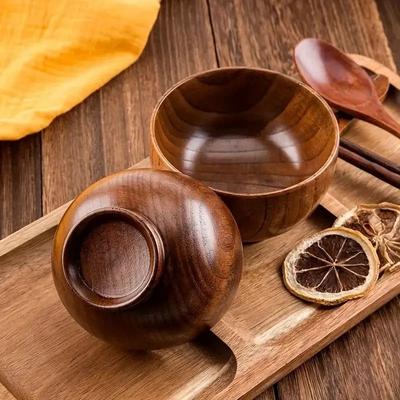
Uplift Essentials Artisan Japanese Wooden Bowl Handcrafted Natural Food Container Artisan Japanese Wooden Bowl Handcrafted Natural Food ContainerBring a touch of organic elegance to your dining table with this Artisan Japanese Wooden Bowl. Expertly carved from solid, highquality timber, this handcrafted wooden bowl reflects the timeless beauty of minimalist design while offering superior...55,97 $*Shipping: 0,00 $Secure redirect to the provider
-
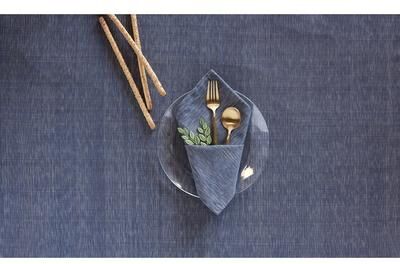
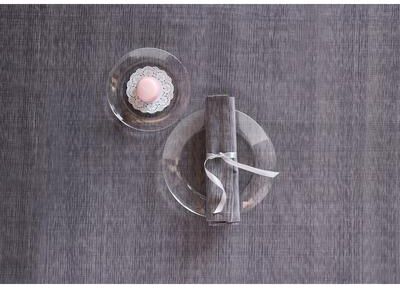
"SHORELINE Napkins - Handmade Organic Cotton, Fair Trade, Eco-Dyed Artisan-Made by Sustainable Threads 20""x20"" (Set of 2)"SHORELINE Handwoven Organic Cotton Napkins Naturally elegant and thoughtfully crafted, the Shoreline napkins are woven from indigenous, drought-resistant organic cotton using traditional handspun yarns and botanical dyes.46,00 $*Shipping: 0,00 $Secure redirect to the provider
-
Kodotan sofa "Handcrafted Wooden Decorative Flower Vase - Sustainable & Stylish Accent Piece-5.5X5.5X15.5"""Features: Eco-Friendly & Sustainable: Crafted from high-quality, natural wood for an environmentally conscious choice. Handcrafted Design: Expertly made by artisans, ensuring each vase is a unique work of art.76,49 $*Shipping: 0,00 $Secure redirect to the provider
-
Dehesia Organic Soothing Artisan Soap 100 grHealth and Beauty Corporal hygiene Dehesia Organic Soothing Artisan Soap 100 gr What is Dehesia Organic Soothing Handmade Soap 100g? Dehesia Organic Soothing Artisan Soap 100g is a natural product specially designed to care for and protect the skin. Made with selected organic ingredients, this artisan soap combines moisturizing and softening properties, offering a unique cleansing experience. Its organic formula focuses on minimizing the use of harmful chemicals, making it a perfect choice for those seeking products that respect the environment and their health. This soap, weighing 100 grams, is ideal for both daily use and relaxing moments. Benefits: The benefits of Dehesia Organic Soothing Artisan Soap are multiple and notable: • **Deep hydration:** Its formula rich in natural oils provides intense hydration, leaving the skin soft and nourished. • **Soothing properties:** Perfect for sensitive skin, helps reduce irritation and redness. • **Antioxidant effect:** Organic ingredients help protect the skin from free radicals, promoting a healthier complexion. • **Relaxing aroma:** Its natural fragrance provides a feeling of well-being and calm, ideal for moments of stress. • **Versatile Use:** Suitable for all skin types, making it perfect for the whole family. Who is it for? Dehesia Organic Soothing Handmade Soap 100 gr is ideal for: • **People with sensitive skin:** Its gentle formula is perfect for those who suffer from skin reactions. • **Natural Lovers:** For those who prefer products without harmful chemicals and with organic ingredients. • **Families:** Safe for use by adults and children, providing care for the entire family's skin. • **People seeking relaxation:** Ideal for those seeking a moment of tranquility through its aroma and calming properties. How do I apply it? Using Dehesia Organic Soothing Artisan Soap is very simple: 1. **Moisten your skin:** Wet your skin with warm water to open your pores and prepare your skin for cleansing. 2. **Apply the soap:** Rub the soap between your hands or directly onto your skin to create a gentle lather. 3. **Massage:** Apply the foam in circular movements for a deep and relaxing cleansing. 4. **Rinse:** Rinse with plenty of water to remove the soap and enjoy the softness it leaves behind. 5. **Dry gently:** Use a clean towel to dry your skin without rubbing. Buy Dehesia Organic Soothing Artisan Soap 100 gr If you're looking for a soap that combines quality, effectiveness, and respect for the environment, don't hesitate to buy Dehesia Organic Soothing Artisanal Soap 100g. This product not only cares for your skin but also contributes to the well-being of the planet. Visit our online store and experience the benefits of this wonderful soap. Your skin will thank you! Discover Dehesia Organic Soothing Artisanal Soap 100g, the natural care your skin needs. Buy now!3,23 £*Shipping: 3,99 £Secure redirect to the provider
-
What is the Kaaba?
The Kaaba is a cube-shaped building located in the center of the Great Mosque in Mecca, Saudi Arabia. It is considered the most sacred site in Islam and is the focal point of the Hajj pilgrimage. Muslims around the world face the Kaaba during their daily prayers. According to Islamic tradition, the Kaaba was built by the Prophet Ibrahim and his son Isma'il as a place of worship for the one true God. **
-
Who built the Kaaba?
The Kaaba was originally built by the Prophet Ibrahim (Abraham) and his son Isma'il (Ishmael) according to Islamic tradition. It is believed that they were instructed by God to construct the Kaaba as a place of worship. Over the centuries, the Kaaba has been rebuilt and renovated several times, with the most recent major reconstruction taking place in the 1990s. Today, the Kaaba is considered the holiest site in Islam and is the focal point of the annual Hajj pilgrimage. **
-
Why was the Kaaba built?
The Kaaba was built as a sacred sanctuary for the worship of one God by the Prophet Ibrahim (Abraham) and his son Isma'il (Ishmael) as a place for pilgrimage and prayer. It holds great significance in Islam as the holiest site in the religion and is considered the House of God. Muslims from around the world face towards the Kaaba during their daily prayers as a symbol of unity and devotion to Allah. **
-
How was the Kaaba built?
The Kaaba was originally built by the Prophet Ibrahim and his son Isma'il as a place of worship for one God. According to Islamic tradition, Ibrahim and Isma'il were instructed by God to build the Kaaba, and they constructed it using stone and mortar. The Kaaba has been rebuilt and renovated several times throughout history, with the most recent reconstruction taking place in the 1990s. Today, the Kaaba stands as the holiest site in Islam and is the focal point of the annual pilgrimage to Mecca, known as Hajj. **
Similar search terms for Kaaba
-
TIMELESS Handmade Tablecloth by Sustainable Threads Organic Cotton Handwoven Ikat Fair TradeTIMELESS Tablecloth Add rich heritage and extraordinary craftsmanship to your table with our TIMELESS Tablecloth, meticulously handmade from organic cotton and woven on traditional manual looms.152,00 $*Shipping: 0,00 $Secure redirect to the provider
-
Sagebrook Home Earthenware Vase Portugal Handcrafted Organic Sculpted DesignEnhance your home decor with this beautifully handcrafted earthenware vase, designed to bring a touch of sophistication and timeless charm to any space. Its artisanal design adds a unique character, making it a standout decorative accent for any room.81,99 $*Shipping: 0,00 $Secure redirect to the provider
-
TIMELESS Handmade Tablecloth by Sustainable Threads Organic Cotton Handwoven Ikat Fair TradeTIMELESS Tablecloth Add rich heritage and extraordinary craftsmanship to your table with our TIMELESS Tablecloth, meticulously handmade from organic cotton and woven on traditional manual looms.220,00 $*Shipping: 0,00 $Secure redirect to the provider
-
TIMELESS Handmade Tablecloth by Sustainable Threads Organic Cotton Handwoven Ikat Fair TradeTIMELESS Tablecloth Add rich heritage and extraordinary craftsmanship to your table with our TIMELESS Tablecloth, meticulously handmade from organic cotton and woven on traditional manual looms.220,00 $*Shipping: 0,00 $Secure redirect to the provider
-
Did Abraham really build the Kaaba?
Abraham is considered a significant figure in the construction of the Kaaba, but it is not believed that he built it entirely on his own. According to Islamic tradition, Abraham, along with his son Ishmael, is believed to have rebuilt the Kaaba as a place of monotheistic worship. The original construction of the Kaaba is attributed to the Prophet Adam. The Kaaba has undergone several reconstructions and renovations throughout history, and its current form is the result of various renovations and expansions. Therefore, while Abraham is associated with the rebuilding of the Kaaba, it is not accurate to say that he built it entirely on his own. **
-
How can one film the Kaaba?
Filming the Kaaba is a sensitive and highly regulated process. In order to film the Kaaba, one must obtain permission from the Saudi government and adhere to strict guidelines set by the authorities. This may include obtaining a special permit, following specific filming restrictions, and respecting the sanctity of the site. Additionally, filming the Kaaba during the Hajj pilgrimage or other religious events may have additional requirements and limitations. It is important to approach the process with respect and understanding of the religious significance of the Kaaba to Muslims. **
-
Is organic sustainable?
Organic farming practices can be more sustainable than conventional methods in terms of reducing chemical inputs, promoting biodiversity, and improving soil health. However, there are challenges to the scalability and efficiency of organic farming, which can impact its overall sustainability. For example, organic farming typically requires more land and labor to produce the same amount of food as conventional methods, which can limit its ability to meet global food demand. Additionally, the transportation and distribution of organic products can have a higher environmental impact due to their shorter shelf life and the need for refrigeration. Overall, while organic farming has many sustainable benefits, there are also limitations to its long-term sustainability on a large scale. **
-
Why is there no Kaaba in Germany?
The Kaaba is located in Mecca, Saudi Arabia, and is considered the holiest site in Islam. It is the direction towards which Muslims pray and is a central part of the Hajj pilgrimage. The Kaaba is a symbol of unity for Muslims around the world. There is no Kaaba in Germany because it is a specific religious and cultural site that is located in Mecca and holds deep significance for the Islamic faith. It is not something that can be replicated or relocated to other countries. **
* All prices are inclusive of VAT and, if applicable, plus shipping costs. The offer information is based on the details provided by the respective shop and is updated through automated processes. Real-time updates do not occur, so deviations can occur in individual cases. ** Note: Parts of this content were created by AI.