Buy jirinosek.eu ?
We are moving the project
jirinosek.eu .
Are you interested in purchasing the domain
jirinosek.eu ?
domain@kv-gmbh.de · 0541-91531010
Buy jirinosek.eu ?
Is organic sustainable?
Organic farming practices can be more sustainable than conventional methods in terms of reducing chemical inputs, promoting biodiversity, and improving soil health. However, there are challenges to the scalability and efficiency of organic farming, which can impact its overall sustainability. For example, organic farming typically requires more land and labor to produce the same amount of food as conventional methods, which can limit its ability to meet global food demand. Additionally, the transportation and distribution of organic products can have a higher environmental impact due to their shorter shelf life and the need for refrigeration. Overall, while organic farming has many sustainable benefits, there are also limitations to its long-term sustainability on a large scale. **
Which is more sustainable: monthly or daily contact lenses?
Monthly contact lenses are generally considered more sustainable compared to daily contact lenses. This is because daily contact lenses generate more waste due to their single-use nature, leading to more plastic waste being produced. Monthly contact lenses, on the other hand, are used for a longer period of time before being replaced, resulting in less overall waste. Additionally, monthly contact lenses typically come in less packaging compared to daily lenses, further reducing their environmental impact. **

Similar search terms for Contact
Top-Angebote
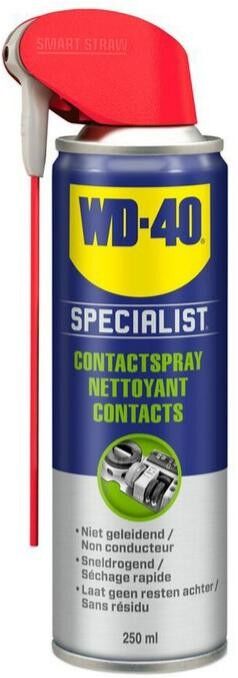
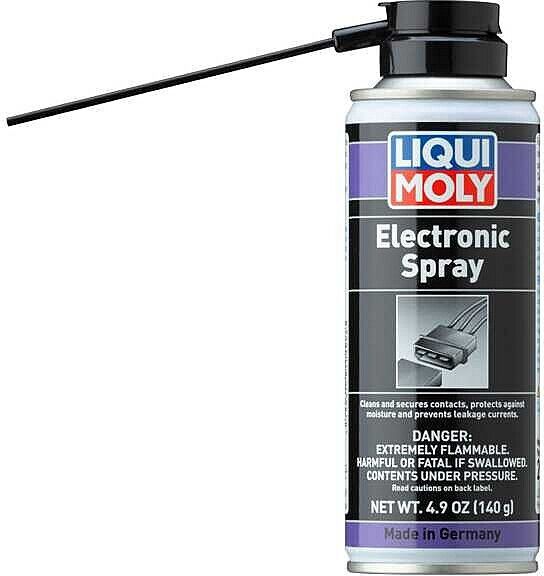
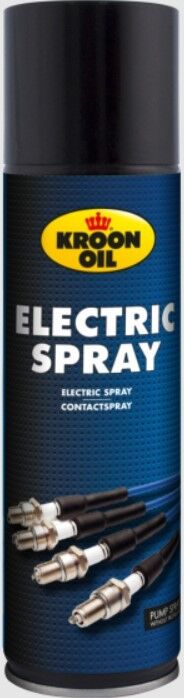
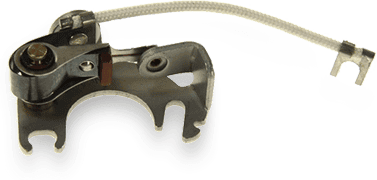
Products related to Contact:

-
What is more sustainable: monthly or daily contact lenses?
Monthly contact lenses are generally considered more sustainable than daily contact lenses. This is because monthly lenses are replaced less frequently, resulting in less waste being generated. Additionally, the packaging for monthly lenses is typically less than that of daily lenses, further reducing environmental impact. However, it is important to properly clean and care for monthly lenses to ensure they are used for their full lifespan. **
-
How do natural-looking colored contact lenses look?
Natural-looking colored contact lenses blend seamlessly with the natural color of the eye, giving a subtle enhancement to the iris. The color is typically a combination of different shades and patterns to mimic the complexity of a real iris. The edges of the lenses are often designed to mimic the irregularity of the natural iris, creating a more realistic and natural appearance. Overall, natural-looking colored contact lenses can give the eyes a beautiful and enhanced look without appearing artificial. **
-
What happens when acids come into contact with organic material?
When acids come into contact with organic material, they can react with the organic compounds, breaking them down and potentially causing damage. The acid can donate a proton to the organic material, leading to chemical changes such as hydrolysis or oxidation. This can result in the degradation of the organic material, leading to discoloration, decomposition, or even complete breakdown of the material. In some cases, the reaction between acids and organic material can also release toxic fumes or gases. **
-
What does handcrafted mean?
Handcrafted refers to items that are made by hand, often by skilled artisans or craftspeople. These items are typically created with attention to detail, care, and craftsmanship, resulting in unique and high-quality products. Handcrafted items often showcase the individuality and creativity of the maker, and can be valued for their authenticity and personal touch. **

Should there be contact or no contact?
The decision of whether there should be contact or no contact depends on the specific circumstances and the individuals involved. In some cases, contact may be necessary for important reasons such as co-parenting or family obligations. However, in situations where contact could be harmful or detrimental to one or both parties, it may be best to have no contact. It's important to carefully consider the potential impact of contact and prioritize the well-being and safety of everyone involved. **
Can contact lenses come into contact with water?
No, contact lenses should not come into contact with water. Water can introduce harmful bacteria and microorganisms to the lenses, increasing the risk of eye infections. It is important to remove contact lenses before swimming, showering, or using hot tubs to avoid potential complications. Additionally, contact lenses should only be cleaned and stored in contact lens solution, not water. **
Top-Angebote
Products related to Contact:
-
Is organic sustainable?
Organic farming practices can be more sustainable than conventional methods in terms of reducing chemical inputs, promoting biodiversity, and improving soil health. However, there are challenges to the scalability and efficiency of organic farming, which can impact its overall sustainability. For example, organic farming typically requires more land and labor to produce the same amount of food as conventional methods, which can limit its ability to meet global food demand. Additionally, the transportation and distribution of organic products can have a higher environmental impact due to their shorter shelf life and the need for refrigeration. Overall, while organic farming has many sustainable benefits, there are also limitations to its long-term sustainability on a large scale. **
-
Which is more sustainable: monthly or daily contact lenses?
Monthly contact lenses are generally considered more sustainable compared to daily contact lenses. This is because daily contact lenses generate more waste due to their single-use nature, leading to more plastic waste being produced. Monthly contact lenses, on the other hand, are used for a longer period of time before being replaced, resulting in less overall waste. Additionally, monthly contact lenses typically come in less packaging compared to daily lenses, further reducing their environmental impact. **
-
What is more sustainable: monthly or daily contact lenses?
Monthly contact lenses are generally considered more sustainable than daily contact lenses. This is because monthly lenses are replaced less frequently, resulting in less waste being generated. Additionally, the packaging for monthly lenses is typically less than that of daily lenses, further reducing environmental impact. However, it is important to properly clean and care for monthly lenses to ensure they are used for their full lifespan. **
-
How do natural-looking colored contact lenses look?
Natural-looking colored contact lenses blend seamlessly with the natural color of the eye, giving a subtle enhancement to the iris. The color is typically a combination of different shades and patterns to mimic the complexity of a real iris. The edges of the lenses are often designed to mimic the irregularity of the natural iris, creating a more realistic and natural appearance. Overall, natural-looking colored contact lenses can give the eyes a beautiful and enhanced look without appearing artificial. **
Similar search terms for Contact
-
What happens when acids come into contact with organic material?
When acids come into contact with organic material, they can react with the organic compounds, breaking them down and potentially causing damage. The acid can donate a proton to the organic material, leading to chemical changes such as hydrolysis or oxidation. This can result in the degradation of the organic material, leading to discoloration, decomposition, or even complete breakdown of the material. In some cases, the reaction between acids and organic material can also release toxic fumes or gases. **
-
What does handcrafted mean?
Handcrafted refers to items that are made by hand, often by skilled artisans or craftspeople. These items are typically created with attention to detail, care, and craftsmanship, resulting in unique and high-quality products. Handcrafted items often showcase the individuality and creativity of the maker, and can be valued for their authenticity and personal touch. **
-
Should there be contact or no contact?
The decision of whether there should be contact or no contact depends on the specific circumstances and the individuals involved. In some cases, contact may be necessary for important reasons such as co-parenting or family obligations. However, in situations where contact could be harmful or detrimental to one or both parties, it may be best to have no contact. It's important to carefully consider the potential impact of contact and prioritize the well-being and safety of everyone involved. **
-
Can contact lenses come into contact with water?
No, contact lenses should not come into contact with water. Water can introduce harmful bacteria and microorganisms to the lenses, increasing the risk of eye infections. It is important to remove contact lenses before swimming, showering, or using hot tubs to avoid potential complications. Additionally, contact lenses should only be cleaned and stored in contact lens solution, not water. **
* All prices are inclusive of VAT and, if applicable, plus shipping costs. The offer information is based on the details provided by the respective shop and is updated through automated processes. Real-time updates do not occur, so deviations can occur in individual cases. ** Note: Parts of this content were created by AI.