Buy jirinosek.eu ?
We are moving the project
jirinosek.eu .
Are you interested in purchasing the domain
jirinosek.eu ?
domain@kv-gmbh.de · 0541-91531010
Buy jirinosek.eu ?
When do you conjugate "avoir"?
The verb "avoir" is conjugated when talking about possession or to form compound tenses such as the passé composé. In these cases, "avoir" is conjugated according to the subject of the sentence. For example, "J'ai un chat" (I have a cat) or "Nous avons mangé" (We have eaten). **
How do you conjugate falloir?
The verb "falloir" is an impersonal verb, meaning it is only used in the third person singular. It is conjugated as "il faut" in the present tense, "il fallait" in the imperfect tense, and "il faudra" in the future tense. There is no need to conjugate it for different subjects, as it always remains in the third person singular form. **

Similar search terms for Conjugate
Top-Angebote
Products related to Conjugate:
-
Kodotan sofa "Handcrafted Wooden Decorative Flower Vase - Sustainable & Stylish Accent Piece-5.5X5.5X15.5"""Features: Eco-Friendly & Sustainable: Crafted from high-quality, natural wood for an environmentally conscious choice. Handcrafted Design: Expertly made by artisans, ensuring each vase is a unique work of art.76,49 $*Shipping: 0,00 $Secure redirect to the provider
-
TIMELESS Handmade Tablecloth by Sustainable Threads Organic Cotton Handwoven Ikat Fair TradeTIMELESS Tablecloth Add rich heritage and extraordinary craftsmanship to your table with our TIMELESS Tablecloth, meticulously handmade from organic cotton and woven on traditional manual looms.152,00 $*Shipping: 0,00 $Secure redirect to the provider
-
Sagebrook Home Earthenware Vase Portugal Handcrafted Organic Sculpted DesignEnhance your home decor with this beautifully handcrafted earthenware vase, designed to bring a touch of sophistication and timeless charm to any space. Its artisanal design adds a unique character, making it a standout decorative accent for any room.81,99 $*Shipping: 0,00 $Secure redirect to the provider
-
Kozy Kitchen Serving Tray, Breakfast Tray, Organic Bamboo, Tea Lovers Gift, Sustainable GiftA single thing can make a bad day better. Especially a perfect morning. Everyone's idea of an ideal breakfast consists of a serving tray with a delicate cup of tea or that strong coffee with freshly squeezed juice.27,29 $*Shipping: 0,00 $Secure redirect to the provider


-
How do you conjugate in Hebrew?
In Hebrew, verbs are conjugated based on the subject of the sentence and the tense of the action. There are different conjugation patterns for each tense (past, present, future) and for each subject (I, you, he/she/it, we, you all, they). The verb root remains the same, but the conjugation changes to match the subject and tense. Additionally, Hebrew verbs also change based on gender and number of the subject. Learning the conjugation patterns and practicing with different verbs is essential for mastering Hebrew verb conjugation. **
-
How do you conjugate French adjectives?
In French, adjectives must agree in gender (masculine or feminine) and number (singular or plural) with the noun they modify. To conjugate a French adjective, you need to add the appropriate ending to match the gender and number of the noun it describes. For example, to make the adjective "petit" (small) agree with a masculine singular noun, you would use "petit." But if the noun is feminine singular, you would use "petite." And for a masculine plural noun, you would use "petits," and for a feminine plural noun, you would use "petites." **
-
How do you conjugate in French?
In French, verbs are conjugated to match the subject of the sentence, including the person (I, you, he/she, we, they) and the tense (present, past, future, etc.). To conjugate a regular verb in the present tense, you remove the infinitive ending (-er, -ir, -re) and add the appropriate ending for the subject (je, tu, il/elle, nous, vous, ils/elles). For example, for the verb "parler" (to speak), you would conjugate it as "je parle" (I speak), "tu parles" (you speak), "il/elle parle" (he/she speaks), "nous parlons" (we speak), "vous parlez" (you speak), "ils/elles parlent" (they speak). Irregular verbs have their own unique conjugation patterns that need to be memorized. **
-
Can you help me conjugate avoir?
Sure! The verb "avoir" is conjugated as follows: - J'ai (I have) - Tu as (You have) - Il/Elle/On a (He/She/One has) - Nous avons (We have) - Vous avez (You have) - Ils/Elles ont (They have) **

How do you conjugate "perire" in Latin?
The verb "perire" in Latin is conjugated as follows in the present tense: - I perish: pereo - You perish: peris - He/she/it perishes: perit - We perish: perimus - You (plural) perish: peritis - They perish: pereunt **
How do you conjugate the Passé Composé?
To conjugate the Passé Composé in French, you typically use the auxiliary verb "avoir" or "être" followed by the past participle of the main verb. The choice between "avoir" and "être" depends on the verb being used and whether it is a transitive or intransitive verb. The past participle of regular -er verbs is formed by replacing the -er ending with -é, for -ir verbs you replace the -ir ending with -i, and for -re verbs you replace the -re ending with -u. Irregular verbs have unique past participle forms that need to be memorized. **
Top-Angebote
Products related to Conjugate:
-
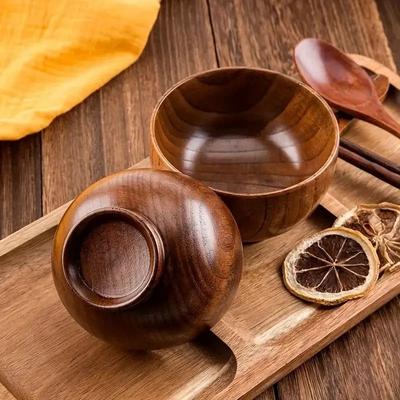
Uplift Essentials Artisan Japanese Wooden Bowl Handcrafted Natural Food Container Artisan Japanese Wooden Bowl Handcrafted Natural Food ContainerBring a touch of organic elegance to your dining table with this Artisan Japanese Wooden Bowl. Expertly carved from solid, highquality timber, this handcrafted wooden bowl reflects the timeless beauty of minimalist design while offering superior...55,97 $*Shipping: 0,00 $Secure redirect to the provider
-
"SHORELINE Napkins - Handmade Organic Cotton, Fair Trade, Eco-Dyed Artisan-Made by Sustainable Threads 20""x20"" (Set of 2)"SHORELINE Handwoven Organic Cotton Napkins Naturally elegant and thoughtfully crafted, the Shoreline napkins are woven from indigenous, drought-resistant organic cotton using traditional handspun yarns and botanical dyes.46,00 $*Shipping: 0,00 $Secure redirect to the provider
-
Kodotan sofa "Handcrafted Wooden Decorative Flower Vase - Sustainable & Stylish Accent Piece-5.5X5.5X15.5"""Features: Eco-Friendly & Sustainable: Crafted from high-quality, natural wood for an environmentally conscious choice. Handcrafted Design: Expertly made by artisans, ensuring each vase is a unique work of art.76,49 $*Shipping: 0,00 $Secure redirect to the provider
-
TIMELESS Handmade Tablecloth by Sustainable Threads Organic Cotton Handwoven Ikat Fair TradeTIMELESS Tablecloth Add rich heritage and extraordinary craftsmanship to your table with our TIMELESS Tablecloth, meticulously handmade from organic cotton and woven on traditional manual looms.152,00 $*Shipping: 0,00 $Secure redirect to the provider
-
When do you conjugate "avoir"?
The verb "avoir" is conjugated when talking about possession or to form compound tenses such as the passé composé. In these cases, "avoir" is conjugated according to the subject of the sentence. For example, "J'ai un chat" (I have a cat) or "Nous avons mangé" (We have eaten). **
-
How do you conjugate falloir?
The verb "falloir" is an impersonal verb, meaning it is only used in the third person singular. It is conjugated as "il faut" in the present tense, "il fallait" in the imperfect tense, and "il faudra" in the future tense. There is no need to conjugate it for different subjects, as it always remains in the third person singular form. **
-
How do you conjugate in Hebrew?
In Hebrew, verbs are conjugated based on the subject of the sentence and the tense of the action. There are different conjugation patterns for each tense (past, present, future) and for each subject (I, you, he/she/it, we, you all, they). The verb root remains the same, but the conjugation changes to match the subject and tense. Additionally, Hebrew verbs also change based on gender and number of the subject. Learning the conjugation patterns and practicing with different verbs is essential for mastering Hebrew verb conjugation. **
-
How do you conjugate French adjectives?
In French, adjectives must agree in gender (masculine or feminine) and number (singular or plural) with the noun they modify. To conjugate a French adjective, you need to add the appropriate ending to match the gender and number of the noun it describes. For example, to make the adjective "petit" (small) agree with a masculine singular noun, you would use "petit." But if the noun is feminine singular, you would use "petite." And for a masculine plural noun, you would use "petits," and for a feminine plural noun, you would use "petites." **
Similar search terms for Conjugate
-
Sagebrook Home Earthenware Vase Portugal Handcrafted Organic Sculpted DesignEnhance your home decor with this beautifully handcrafted earthenware vase, designed to bring a touch of sophistication and timeless charm to any space. Its artisanal design adds a unique character, making it a standout decorative accent for any room.81,99 $*Shipping: 0,00 $Secure redirect to the provider
-
Kozy Kitchen Serving Tray, Breakfast Tray, Organic Bamboo, Tea Lovers Gift, Sustainable GiftA single thing can make a bad day better. Especially a perfect morning. Everyone's idea of an ideal breakfast consists of a serving tray with a delicate cup of tea or that strong coffee with freshly squeezed juice.27,29 $*Shipping: 0,00 $Secure redirect to the provider
-
TIMELESS Handmade Tablecloth by Sustainable Threads Organic Cotton Handwoven Ikat Fair TradeTIMELESS Tablecloth Add rich heritage and extraordinary craftsmanship to your table with our TIMELESS Tablecloth, meticulously handmade from organic cotton and woven on traditional manual looms.220,00 $*Shipping: 0,00 $Secure redirect to the provider
-
TIMELESS Handmade Tablecloth by Sustainable Threads Organic Cotton Handwoven Ikat Fair TradeTIMELESS Tablecloth Add rich heritage and extraordinary craftsmanship to your table with our TIMELESS Tablecloth, meticulously handmade from organic cotton and woven on traditional manual looms.220,00 $*Shipping: 0,00 $Secure redirect to the provider
-
How do you conjugate in French?
In French, verbs are conjugated to match the subject of the sentence, including the person (I, you, he/she, we, they) and the tense (present, past, future, etc.). To conjugate a regular verb in the present tense, you remove the infinitive ending (-er, -ir, -re) and add the appropriate ending for the subject (je, tu, il/elle, nous, vous, ils/elles). For example, for the verb "parler" (to speak), you would conjugate it as "je parle" (I speak), "tu parles" (you speak), "il/elle parle" (he/she speaks), "nous parlons" (we speak), "vous parlez" (you speak), "ils/elles parlent" (they speak). Irregular verbs have their own unique conjugation patterns that need to be memorized. **
-
Can you help me conjugate avoir?
Sure! The verb "avoir" is conjugated as follows: - J'ai (I have) - Tu as (You have) - Il/Elle/On a (He/She/One has) - Nous avons (We have) - Vous avez (You have) - Ils/Elles ont (They have) **
-
How do you conjugate "perire" in Latin?
The verb "perire" in Latin is conjugated as follows in the present tense: - I perish: pereo - You perish: peris - He/she/it perishes: perit - We perish: perimus - You (plural) perish: peritis - They perish: pereunt **
-
How do you conjugate the Passé Composé?
To conjugate the Passé Composé in French, you typically use the auxiliary verb "avoir" or "être" followed by the past participle of the main verb. The choice between "avoir" and "être" depends on the verb being used and whether it is a transitive or intransitive verb. The past participle of regular -er verbs is formed by replacing the -er ending with -é, for -ir verbs you replace the -ir ending with -i, and for -re verbs you replace the -re ending with -u. Irregular verbs have unique past participle forms that need to be memorized. **
* All prices are inclusive of VAT and, if applicable, plus shipping costs. The offer information is based on the details provided by the respective shop and is updated through automated processes. Real-time updates do not occur, so deviations can occur in individual cases. ** Note: Parts of this content were created by AI.