Buy jirinosek.eu ?
We are moving the project
jirinosek.eu .
Are you interested in purchasing the domain
jirinosek.eu ?
domain@kv-gmbh.de · 0541-91531010
Buy jirinosek.eu ?
Can the chestnut sapling survive without a chestnut?
Yes, a chestnut sapling can survive without a chestnut. The chestnut is the seed that germinates to grow into a sapling, but once the sapling has established its own root system and is able to photosynthesize and absorb nutrients from the soil, it no longer relies on the original chestnut for survival. The chestnut seed provides the initial nutrients and energy for the sapling to grow, but once it becomes self-sufficient, it can continue to grow and thrive independently. **
Is the chestnut (sweet chestnut) toxic to dogs?
Yes, chestnuts, including sweet chestnuts, are not toxic to dogs when consumed in moderation. However, they should be given to dogs in small amounts and only as an occasional treat. Eating large quantities of chestnuts can lead to gastrointestinal upset in dogs due to their high fiber content. It is always best to consult with a veterinarian before introducing any new food to your dog's diet. **

Similar search terms for Chestnut
Top-Angebote
Products related to Chestnut:
-
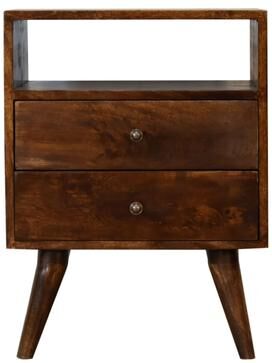
Artisan Furniture Solid Wood Classic Chestnut Nightstand, BrownObtain an effortless fusion of Mid-Century and Deco styles with our Classic Chestnut nightstand. It is constructed from 100% solid mango wood and the sleek design is complemented with shiny brass knobs and nordic style legs.317,99 $*Shipping: 0,00 $Secure redirect to the provider
-
Is the chestnut (edible chestnut) toxic to dogs?
Yes, chestnuts are not toxic to dogs and can be safely consumed by them. However, it is important to feed them in moderation as they are high in carbohydrates and can cause stomach upset or digestive issues if consumed in large quantities. Additionally, it is best to feed chestnuts to dogs in their natural, unseasoned form to avoid any potential health risks. **
-
What is chestnut puree?
Chestnut puree is a sweet and creamy spread made from cooked and pureed chestnuts. It is often sweetened with sugar and flavored with vanilla or other spices. Chestnut puree can be used as a filling for pastries, cakes, and desserts, or spread on toast or crackers. It is a popular ingredient in European and Mediterranean cuisines. **
-
Is organic sustainable?
Organic farming practices can be more sustainable than conventional methods in terms of reducing chemical inputs, promoting biodiversity, and improving soil health. However, there are challenges to the scalability and efficiency of organic farming, which can impact its overall sustainability. For example, organic farming typically requires more land and labor to produce the same amount of food as conventional methods, which can limit its ability to meet global food demand. Additionally, the transportation and distribution of organic products can have a higher environmental impact due to their shorter shelf life and the need for refrigeration. Overall, while organic farming has many sustainable benefits, there are also limitations to its long-term sustainability on a large scale. **
-
Can budgerigars have chestnut branches?
Yes, budgerigars can have chestnut branches as part of their environment or cage setup. Chestnut branches can provide a natural and enriching element for budgerigars to perch on, explore, and chew on. However, it is important to ensure that the branches are clean, untreated, and free from any pesticides or harmful substances before introducing them to the budgerigar's environment. Regularly inspecting the branches for any signs of damage or wear is also recommended to prevent any potential hazards to the birds. **
Can budgies have chestnut branches?
Yes, budgies can have chestnut branches in their cage for perching and chewing. However, it is important to make sure the branches are pesticide-free and thoroughly cleaned before placing them in the cage. Additionally, monitor your budgie's behavior to ensure they are not ingesting too much of the wood, as it could potentially cause digestive issues. **
Is this a chestnut bolete?
Without a visual reference, it is difficult to definitively identify a chestnut bolete. However, chestnut boletes typically have a chestnut-brown cap with a velvety texture and a stout, bulbous stem. The underside of the cap usually has small, angular pores that are yellow when young and turn olive-brown as the mushroom matures. To accurately identify a chestnut bolete, it is best to consult a field guide or an experienced mycologist. **
Top-Angebote
Products related to Chestnut:
-
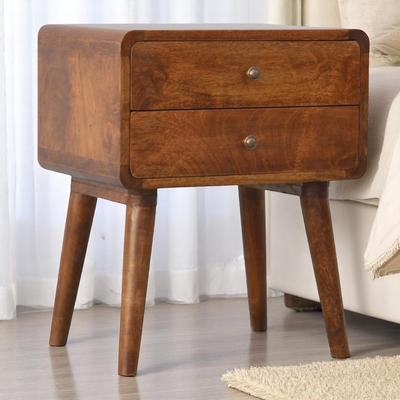
Artisan Furniture Solid Wood Curved Chestnut NightstandEndlessly versatile, this curved bedside table makes a perfect stand for nibbles, drinks, or a lamp. It will prove handy all over your home and is made from 100% solid mango wood and has a fine chestnut finish.232,43 $*Shipping: 0,00 $Secure redirect to the provider
-
Artisan Furniture Solid Wood Classic Chestnut Nightstand, BrownObtain an effortless fusion of Mid-Century and Deco styles with our Classic Chestnut nightstand. It is constructed from 100% solid mango wood and the sleek design is complemented with shiny brass knobs and nordic style legs.317,99 $*Shipping: 0,00 $Secure redirect to the provider
-
Can the chestnut sapling survive without a chestnut?
Yes, a chestnut sapling can survive without a chestnut. The chestnut is the seed that germinates to grow into a sapling, but once the sapling has established its own root system and is able to photosynthesize and absorb nutrients from the soil, it no longer relies on the original chestnut for survival. The chestnut seed provides the initial nutrients and energy for the sapling to grow, but once it becomes self-sufficient, it can continue to grow and thrive independently. **
-
Is the chestnut (sweet chestnut) toxic to dogs?
Yes, chestnuts, including sweet chestnuts, are not toxic to dogs when consumed in moderation. However, they should be given to dogs in small amounts and only as an occasional treat. Eating large quantities of chestnuts can lead to gastrointestinal upset in dogs due to their high fiber content. It is always best to consult with a veterinarian before introducing any new food to your dog's diet. **
-
Is the chestnut (edible chestnut) toxic to dogs?
Yes, chestnuts are not toxic to dogs and can be safely consumed by them. However, it is important to feed them in moderation as they are high in carbohydrates and can cause stomach upset or digestive issues if consumed in large quantities. Additionally, it is best to feed chestnuts to dogs in their natural, unseasoned form to avoid any potential health risks. **
-
What is chestnut puree?
Chestnut puree is a sweet and creamy spread made from cooked and pureed chestnuts. It is often sweetened with sugar and flavored with vanilla or other spices. Chestnut puree can be used as a filling for pastries, cakes, and desserts, or spread on toast or crackers. It is a popular ingredient in European and Mediterranean cuisines. **
Similar search terms for Chestnut
-
Is organic sustainable?
Organic farming practices can be more sustainable than conventional methods in terms of reducing chemical inputs, promoting biodiversity, and improving soil health. However, there are challenges to the scalability and efficiency of organic farming, which can impact its overall sustainability. For example, organic farming typically requires more land and labor to produce the same amount of food as conventional methods, which can limit its ability to meet global food demand. Additionally, the transportation and distribution of organic products can have a higher environmental impact due to their shorter shelf life and the need for refrigeration. Overall, while organic farming has many sustainable benefits, there are also limitations to its long-term sustainability on a large scale. **
-
Can budgerigars have chestnut branches?
Yes, budgerigars can have chestnut branches as part of their environment or cage setup. Chestnut branches can provide a natural and enriching element for budgerigars to perch on, explore, and chew on. However, it is important to ensure that the branches are clean, untreated, and free from any pesticides or harmful substances before introducing them to the budgerigar's environment. Regularly inspecting the branches for any signs of damage or wear is also recommended to prevent any potential hazards to the birds. **
-
Can budgies have chestnut branches?
Yes, budgies can have chestnut branches in their cage for perching and chewing. However, it is important to make sure the branches are pesticide-free and thoroughly cleaned before placing them in the cage. Additionally, monitor your budgie's behavior to ensure they are not ingesting too much of the wood, as it could potentially cause digestive issues. **
-
Is this a chestnut bolete?
Without a visual reference, it is difficult to definitively identify a chestnut bolete. However, chestnut boletes typically have a chestnut-brown cap with a velvety texture and a stout, bulbous stem. The underside of the cap usually has small, angular pores that are yellow when young and turn olive-brown as the mushroom matures. To accurately identify a chestnut bolete, it is best to consult a field guide or an experienced mycologist. **
* All prices are inclusive of VAT and, if applicable, plus shipping costs. The offer information is based on the details provided by the respective shop and is updated through automated processes. Real-time updates do not occur, so deviations can occur in individual cases. ** Note: Parts of this content were created by AI.