Buy jirinosek.eu ?
We are moving the project
jirinosek.eu .
Are you interested in purchasing the domain
jirinosek.eu ?
domain@kv-gmbh.de · 0541-91531010
Buy jirinosek.eu ?
How do glaciers melt?
Glaciers melt primarily due to a combination of rising temperatures and the effects of sunlight. When the air temperature increases, the heat is transferred to the glacier, causing the ice to melt. Additionally, sunlight can also contribute to the melting process by absorbing heat and accelerating the melting of the ice. As the ice melts, the water flows into rivers and oceans, contributing to rising sea levels. This process is exacerbated by climate change, which is causing glaciers to melt at an accelerated rate. **
What functions do glaciers have?
Glaciers play several important functions in the environment. They act as reservoirs of freshwater, storing large amounts of water in the form of ice. Glaciers also help regulate global climate by reflecting sunlight and cooling the Earth's surface. Additionally, they shape the landscape through processes like erosion and deposition, creating unique landforms such as valleys, fjords, and moraines. Overall, glaciers are crucial components of the Earth's system and have a significant impact on both the environment and human societies. **

Similar search terms for Glaciers
Top-Angebote
Products related to Glaciers:
-
Kodotan sofa "Handcrafted Wooden Decorative Flower Vase - Sustainable & Stylish Accent Piece-5.5X5.5X15.5"""Features: Eco-Friendly & Sustainable: Crafted from high-quality, natural wood for an environmentally conscious choice. Handcrafted Design: Expertly made by artisans, ensuring each vase is a unique work of art.76,49 $*Shipping: 0,00 $Secure redirect to the provider
-
TIMELESS Handmade Tablecloth by Sustainable Threads Organic Cotton Handwoven Ikat Fair TradeTIMELESS Tablecloth Add rich heritage and extraordinary craftsmanship to your table with our TIMELESS Tablecloth, meticulously handmade from organic cotton and woven on traditional manual looms.220,00 $*Shipping: 0,00 $Secure redirect to the provider
-
Sagebrook Home Earthenware Vase Portugal Handcrafted Organic Sculpted DesignEnhance your home decor with this beautifully handcrafted earthenware vase, designed to bring a touch of sophistication and timeless charm to any space. Its artisanal design adds a unique character, making it a standout decorative accent for any room.77,99 $*Shipping: 0,00 $Secure redirect to the provider
-
Kozy Kitchen Serving Tray, Breakfast Tray, Organic Bamboo, Tea Lovers Gift, Sustainable GiftA single thing can make a bad day better. Especially a perfect morning. Everyone's idea of an ideal breakfast consists of a serving tray with a delicate cup of tea or that strong coffee with freshly squeezed juice.27,29 $*Shipping: 0,00 $Secure redirect to the provider



-
How can glaciers shape rocks?
Glaciers can shape rocks through a process called glacial erosion. As glaciers move, they pick up rocks and debris, which act as tools to grind and scrape the underlying bedrock. This process can create features such as striations, grooves, and polished surfaces on rocks. Additionally, as glaciers melt, they can deposit the rocks they were carrying, forming landforms like moraines and drumlins. **
-
How can glaciers erode rocks?
Glaciers can erode rocks through a process called plucking and abrasion. Plucking occurs when the glacier freezes onto the rock and then pulls it away as the glacier moves, causing pieces of the rock to be plucked off. Abrasion occurs as the glacier moves and the rocks embedded in the ice scrape against the bedrock, wearing it down over time. These processes can result in the formation of glacial valleys, cirques, and other landforms as the glacier erodes the surrounding rock. **
-
Why are glaciers the Earth's thermometers?
Glaciers are considered the Earth's thermometers because they are sensitive indicators of climate change. As temperatures rise, glaciers melt at a faster rate, and their size and extent decrease. By studying the changes in glaciers, scientists can track variations in temperature over time. Additionally, the composition of the ice in glaciers can provide information about past climate conditions, making them valuable tools for understanding the Earth's climate history. **
-
Under what conditions do glaciers form?
Glaciers form under specific conditions of temperature and precipitation. They require cold temperatures to prevent the snow from melting, and a consistent accumulation of snowfall over time. This snow then compresses into ice, forming a glacier. Glaciers are typically found in polar regions or high mountainous areas where these conditions are met. **


How have glaciers shaped the ground cover?
Glaciers have significantly shaped the ground cover through processes like erosion, deposition, and transportation of sediments. As glaciers move, they scrape and erode the land, creating valleys, fjords, and cirques. The sediments carried by glaciers are deposited as moraines, drumlins, and eskers, altering the landscape. The melting of glaciers also contributes to the formation of lakes and wetlands, further shaping the ground cover. **
What are the different types of glaciers?
There are two main types of glaciers: alpine glaciers and ice sheets. Alpine glaciers are found in mountainous regions and flow down valleys, while ice sheets are massive glaciers that cover large areas of land. Other types of glaciers include tidewater glaciers, which flow into the ocean, and hanging glaciers, which are perched on steep slopes. Each type of glacier has unique characteristics and plays a crucial role in shaping the landscape and influencing climate. **
Top-Angebote
Products related to Glaciers:
-
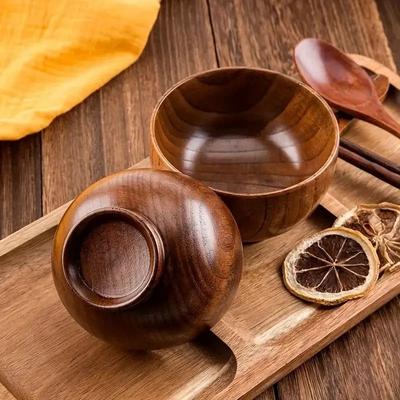
Uplift Essentials Artisan Japanese Wooden Bowl Handcrafted Natural Food Container Artisan Japanese Wooden Bowl Handcrafted Natural Food ContainerBring a touch of organic elegance to your dining table with this Artisan Japanese Wooden Bowl. Expertly carved from solid, highquality timber, this handcrafted wooden bowl reflects the timeless beauty of minimalist design while offering superior...55,97 $*Shipping: 0,00 $Secure redirect to the provider
-
"SHORELINE Napkins - Handmade Organic Cotton, Fair Trade, Eco-Dyed Artisan-Made by Sustainable Threads 20""x20"" (Set of 2)"SHORELINE Handwoven Organic Cotton Napkins Naturally elegant and thoughtfully crafted, the Shoreline napkins are woven from indigenous, drought-resistant organic cotton using traditional handspun yarns and botanical dyes.46,00 $*Shipping: 0,00 $Secure redirect to the provider
-
Kodotan sofa "Handcrafted Wooden Decorative Flower Vase - Sustainable & Stylish Accent Piece-5.5X5.5X15.5"""Features: Eco-Friendly & Sustainable: Crafted from high-quality, natural wood for an environmentally conscious choice. Handcrafted Design: Expertly made by artisans, ensuring each vase is a unique work of art.76,49 $*Shipping: 0,00 $Secure redirect to the provider
-
TIMELESS Handmade Tablecloth by Sustainable Threads Organic Cotton Handwoven Ikat Fair TradeTIMELESS Tablecloth Add rich heritage and extraordinary craftsmanship to your table with our TIMELESS Tablecloth, meticulously handmade from organic cotton and woven on traditional manual looms.220,00 $*Shipping: 0,00 $Secure redirect to the provider
-
How do glaciers melt?
Glaciers melt primarily due to a combination of rising temperatures and the effects of sunlight. When the air temperature increases, the heat is transferred to the glacier, causing the ice to melt. Additionally, sunlight can also contribute to the melting process by absorbing heat and accelerating the melting of the ice. As the ice melts, the water flows into rivers and oceans, contributing to rising sea levels. This process is exacerbated by climate change, which is causing glaciers to melt at an accelerated rate. **
-
What functions do glaciers have?
Glaciers play several important functions in the environment. They act as reservoirs of freshwater, storing large amounts of water in the form of ice. Glaciers also help regulate global climate by reflecting sunlight and cooling the Earth's surface. Additionally, they shape the landscape through processes like erosion and deposition, creating unique landforms such as valleys, fjords, and moraines. Overall, glaciers are crucial components of the Earth's system and have a significant impact on both the environment and human societies. **
-
How can glaciers shape rocks?
Glaciers can shape rocks through a process called glacial erosion. As glaciers move, they pick up rocks and debris, which act as tools to grind and scrape the underlying bedrock. This process can create features such as striations, grooves, and polished surfaces on rocks. Additionally, as glaciers melt, they can deposit the rocks they were carrying, forming landforms like moraines and drumlins. **
-
How can glaciers erode rocks?
Glaciers can erode rocks through a process called plucking and abrasion. Plucking occurs when the glacier freezes onto the rock and then pulls it away as the glacier moves, causing pieces of the rock to be plucked off. Abrasion occurs as the glacier moves and the rocks embedded in the ice scrape against the bedrock, wearing it down over time. These processes can result in the formation of glacial valleys, cirques, and other landforms as the glacier erodes the surrounding rock. **
Similar search terms for Glaciers
-
Sagebrook Home Earthenware Vase Portugal Handcrafted Organic Sculpted DesignEnhance your home decor with this beautifully handcrafted earthenware vase, designed to bring a touch of sophistication and timeless charm to any space. Its artisanal design adds a unique character, making it a standout decorative accent for any room.77,99 $*Shipping: 0,00 $Secure redirect to the provider
-
Kozy Kitchen Serving Tray, Breakfast Tray, Organic Bamboo, Tea Lovers Gift, Sustainable GiftA single thing can make a bad day better. Especially a perfect morning. Everyone's idea of an ideal breakfast consists of a serving tray with a delicate cup of tea or that strong coffee with freshly squeezed juice.27,29 $*Shipping: 0,00 $Secure redirect to the provider
-
TIMELESS Handmade Tablecloth by Sustainable Threads Organic Cotton Handwoven Ikat Fair TradeTIMELESS Tablecloth Add rich heritage and extraordinary craftsmanship to your table with our TIMELESS Tablecloth, meticulously handmade from organic cotton and woven on traditional manual looms.320,00 $*Shipping: 0,00 $Secure redirect to the provider
-
TIMELESS Handmade Tablecloth by Sustainable Threads Organic Cotton Handwoven Ikat Fair TradeTIMELESS Tablecloth Add rich heritage and extraordinary craftsmanship to your table with our TIMELESS Tablecloth, meticulously handmade from organic cotton and woven on traditional manual looms.152,00 $*Shipping: 0,00 $Secure redirect to the provider
-
Why are glaciers the Earth's thermometers?
Glaciers are considered the Earth's thermometers because they are sensitive indicators of climate change. As temperatures rise, glaciers melt at a faster rate, and their size and extent decrease. By studying the changes in glaciers, scientists can track variations in temperature over time. Additionally, the composition of the ice in glaciers can provide information about past climate conditions, making them valuable tools for understanding the Earth's climate history. **
-
Under what conditions do glaciers form?
Glaciers form under specific conditions of temperature and precipitation. They require cold temperatures to prevent the snow from melting, and a consistent accumulation of snowfall over time. This snow then compresses into ice, forming a glacier. Glaciers are typically found in polar regions or high mountainous areas where these conditions are met. **
-
How have glaciers shaped the ground cover?
Glaciers have significantly shaped the ground cover through processes like erosion, deposition, and transportation of sediments. As glaciers move, they scrape and erode the land, creating valleys, fjords, and cirques. The sediments carried by glaciers are deposited as moraines, drumlins, and eskers, altering the landscape. The melting of glaciers also contributes to the formation of lakes and wetlands, further shaping the ground cover. **
-
What are the different types of glaciers?
There are two main types of glaciers: alpine glaciers and ice sheets. Alpine glaciers are found in mountainous regions and flow down valleys, while ice sheets are massive glaciers that cover large areas of land. Other types of glaciers include tidewater glaciers, which flow into the ocean, and hanging glaciers, which are perched on steep slopes. Each type of glacier has unique characteristics and plays a crucial role in shaping the landscape and influencing climate. **
* All prices are inclusive of VAT and, if applicable, plus shipping costs. The offer information is based on the details provided by the respective shop and is updated through automated processes. Real-time updates do not occur, so deviations can occur in individual cases. ** Note: Parts of this content were created by AI.